Buying your first home in Somerville can feel like solving a puzzle at full speed. You are balancing price, commute, space, condition, and monthly costs in a market where homes can go pending quickly and many listings involve condos in older buildings. The good news is that once you understand the main tradeoffs, your search gets much clearer. Let’s dive in.
Why Somerville feels different
Somerville is not a typical single-family market. According to the city’s 2025 Housing Needs Assessment, only 11% of housing units are detached single-family homes, while 54.5% of properties are in 2 to 4 unit buildings.
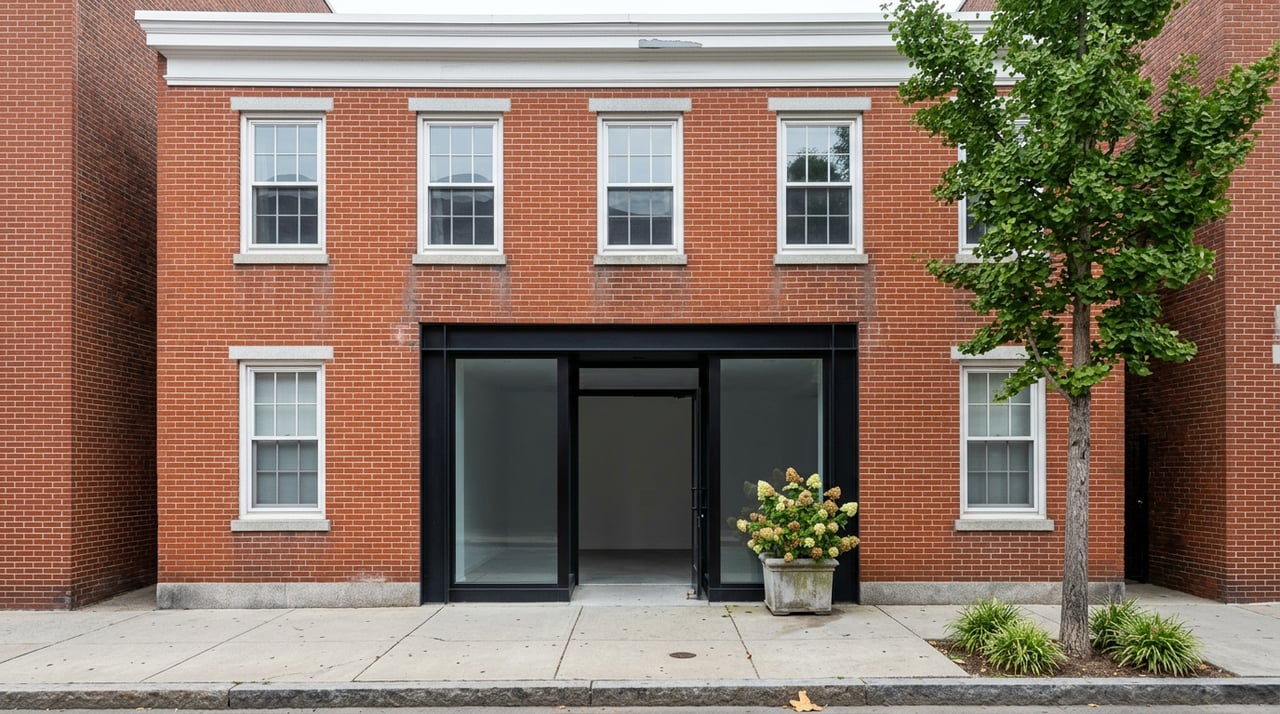
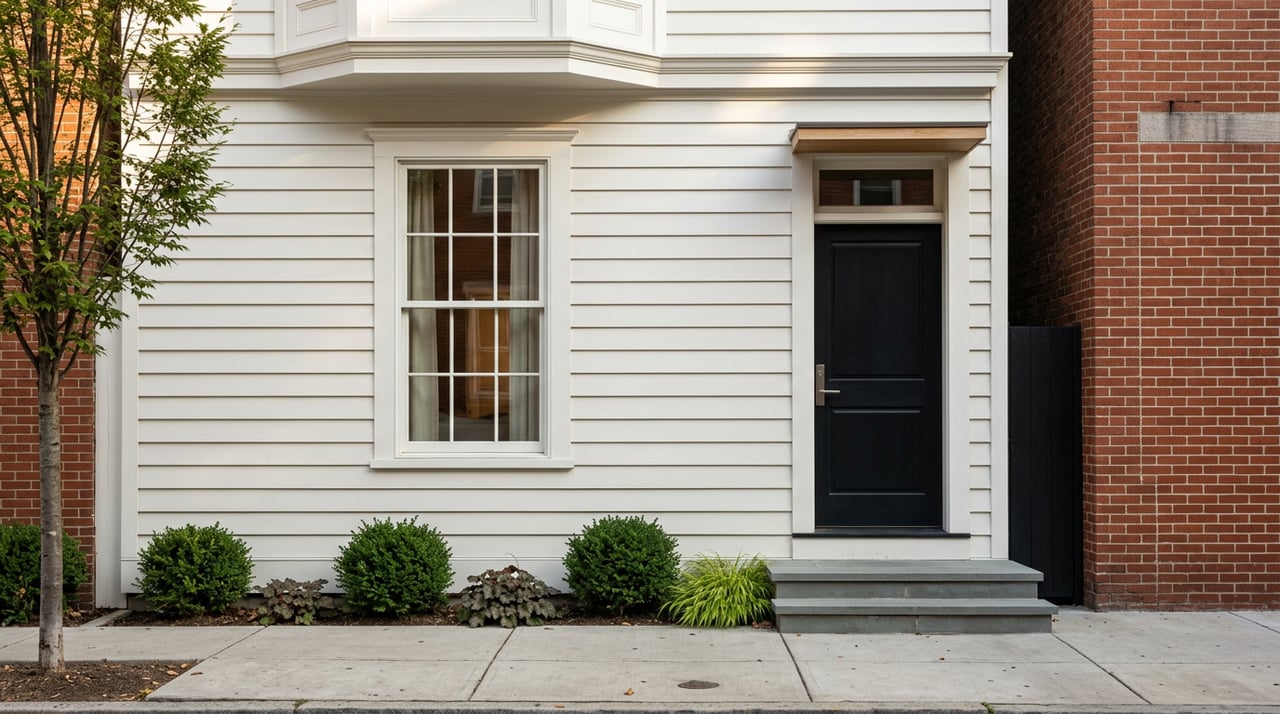
That shapes what first-time buyers usually see. In practice, your choices often come down to an older condo in a converted building, a newer condo in a denser development, or a less common small house with more upkeep.
Somerville also moves fast. Public market trackers show sale prices around the $1 million mark, with homes often selling in days or a few weeks and drawing multiple offers. That pace means it helps to decide your priorities before the right listing appears.
Commute vs. quieter surroundings
For many first-time buyers, the biggest tradeoff is simple: easier transit access or a calmer day-to-day setting. Somerville has strong public transportation, with 14 bus routes and service on the Red, Orange, and Green lines.
The Green Line Extension added stations at Union Square, East Somerville, Gilman Square, Magoun Square, and Ball Square. Davis Square also remains a major Red Line transit node, and the Community Path adds another useful option for biking and walking across the city.
If you want the easiest rail commute, starting near Davis Square or a GLX station often makes sense. The tradeoff is usually more density, smaller homes, and a higher price per square foot.
If you care more about a quieter residential feel, you may look a bit farther from the busiest squares. That can mean relying more on buses, biking, or driving, but it may also open up different layouts and a slightly different daily rhythm.
How to test the commute tradeoff
Before you fall in love with a listing, map the full door-to-door trip. Do not just look at the nearest station name.
A smart first pass is to compare:
- Walk time to rail or bus
- Total door-to-door travel time
- How many transfers you need
- Whether biking or the Community Path improves the trip
- How the route feels during your likely schedule
That kind of practical test often tells you more than a listing description ever could.
Private yard vs. public open space
Outdoor space is another major decision point in Somerville. Because so much of the housing stock is in multi-unit buildings, many buyers need to choose between having private outdoor space and relying more on shared or public spaces.
Somerville has more than 80 parks and open spaces, plus community gardens and the Community Path. For some buyers, that network makes a smaller condo without a yard feel completely workable.
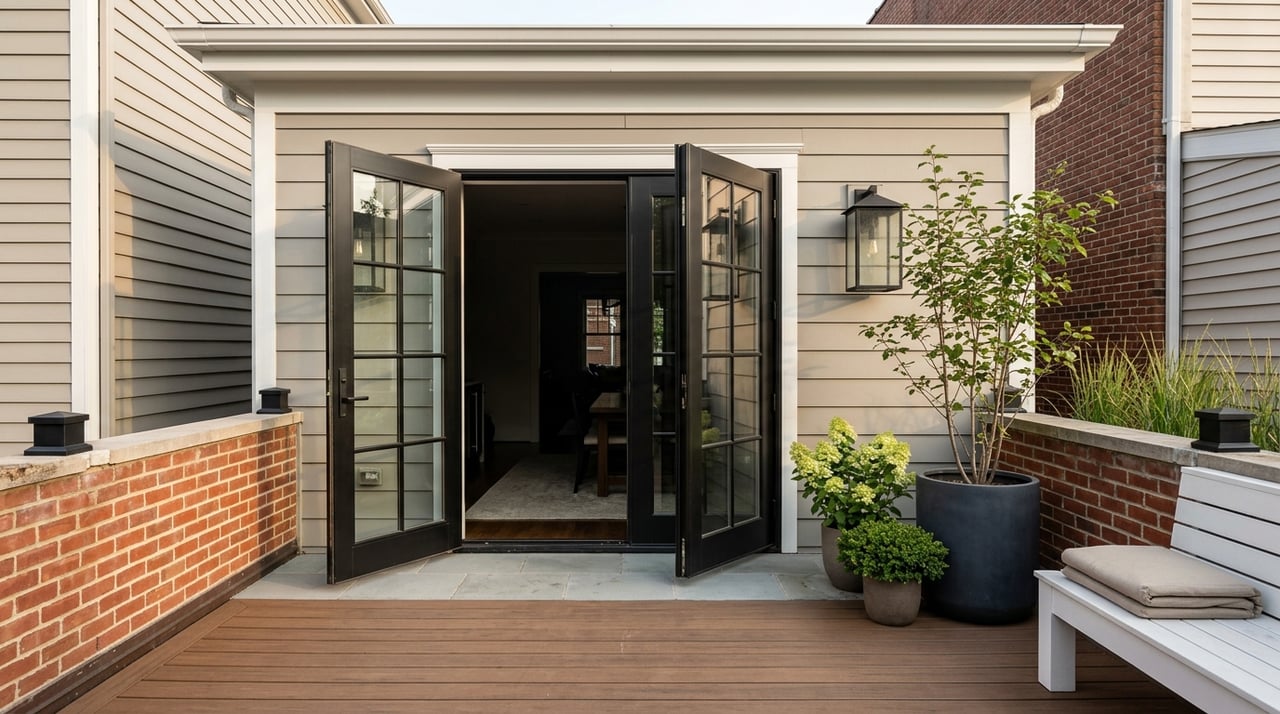
For others, private outdoor space is not optional. If you want a deck, patio, or yard that is truly yours, your search may narrow quickly, especially at the entry level.
Ask yourself what “outdoor space” really means
This question matters more than many buyers expect. You may not need a yard if what you really want is a pleasant place to drink coffee outside, a nearby green space for exercise, or easy access to a walking route.
It helps to define your must-haves early:
- Deeded private outdoor space
- Shared yard or roof deck
- Immediate access to a park
- Proximity to the Community Path
- Community garden access
When you know which of these matters most, you can compare homes more confidently.
Lower maintenance vs. condo complexity
In Somerville, many first-time buyers will buy a condo. That can be a great fit, but it comes with a different kind of due diligence.
In Massachusetts, condos are governed by the master deed, bylaws, and Chapter 183A. State guidance also notes that associations must maintain an adequate replacement reserve fund, and condo documents spell out key rules on maintenance, repairs, insurance, common expenses, voting rights, and assessments.
This is where a lower-maintenance lifestyle can come with more paperwork and monthly carrying costs. Condo dues are generally separate from your mortgage payment, and monthly fees can range from a few hundred dollars to more than $1,000.
You also still need your own insurance for the unit, even if the association carries a master policy for common areas. If the unit is in a converted building, Somerville’s condo conversion rules may also be relevant.
What to review before you commit
When you compare condos, finishes should not be your first filter. The documents and budget often tell the bigger story.
Look closely at:
- Reserve fund health
- Current monthly condo dues
- Any recent or planned special assessments
- Rules for pets, rentals, parking, and renovations
- Who handles maintenance and what the association covers
A beautiful kitchen can be exciting. A financially sound building is what helps you sleep at night.
Turn-key convenience vs. older-home character
Somerville’s housing stock has a lot of personality, but older homes often bring more moving parts. The city’s 2025 Housing Needs Assessment says most owner-occupied homes and about half of rental units were built before 1940.
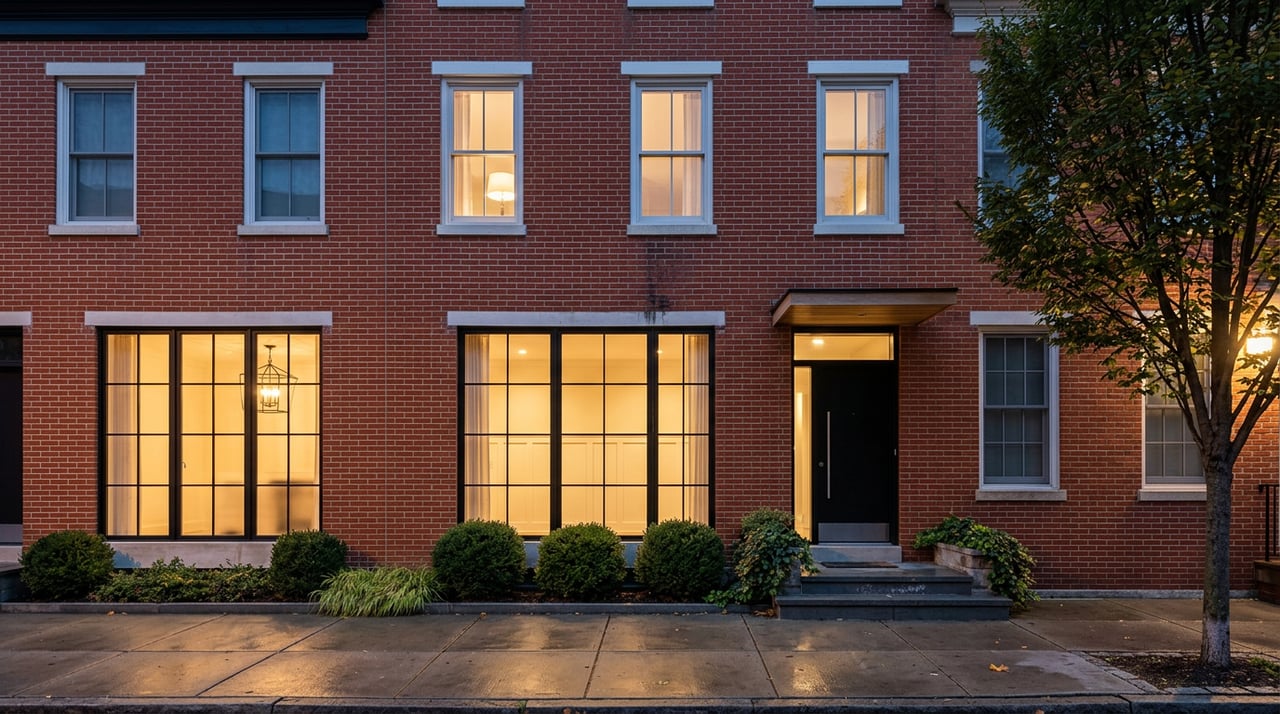
That age shows up in both charm and risk. An older conversion or small house may offer details and layouts you love, but it can also bring repair needs, renovation questions, and a less predictable ownership experience.
Newer or recently renovated condos can offer a cleaner first-time-buyer path. They may reduce immediate repair exposure, though they often come with smaller footprints and higher cost per square foot, especially in newer development areas such as Assembly Square, East Somerville, west Magoun Square, Union Square, and parts of Spring Hill.
Renovation questions worth asking early
If you are even slightly open to a project, it helps to know what that really means in Somerville. The city’s Inspectional Services Department handles permitting and plan review, and major renovations must comply with the Specialized Stretch Energy Code.
Historic review can also matter. In Local Historic Districts, visible exterior changes may need review by the Somerville Historic Preservation Commission.
Lead is another key issue in older homes. Massachusetts requires disclosure of lead risks in homes built before 1978, and renovation work that disturbs painted surfaces may require lead-safe practices.
A few early questions can save time:
- Is the home mostly cosmetic, or are larger systems likely involved?
- Would your planned work require permits?
- Is the property in a Local Historic District?
- Was the home built before 1978?
- Do you have the time and budget for unknowns?
Price vs. monthly payment
First-time buyers often focus on purchase price first. In Somerville, monthly cost deserves equal attention.
Two homes with similar list prices can feel very different once you include condo dues, insurance, and likely maintenance. A newer condo may cost more per square foot but require fewer short-term repairs. An older unit may have a lower sticker price but higher near-term ownership costs.
That is why it helps to treat the full monthly picture as part of the price. The better question is not just, “Can I buy this?” It is, “Will this still feel comfortable after closing?”
A simple way to narrow your search
If you are feeling torn between options, simplify the process. In a fast market, clarity is a real advantage.
Try ranking these from most important to least important:
- Commute convenience
- Monthly payment comfort
- Private outdoor space
- Low-maintenance ownership
- Move-in-ready condition
- Extra square footage
- Character and original details
- Flexibility for future renovations
Once you rank them, compare each listing against your top three priorities first. That keeps you focused when good homes hit the market quickly.
The best first home is the one that fits your life
In Somerville, there is rarely a perfect option with no tradeoffs. What matters is choosing the tradeoffs that fit your routine, budget, and comfort level.
For one buyer, that may mean a smaller condo near transit with easy daily logistics. For another, it may mean more space, more character, and a longer list of ownership responsibilities. The right answer is not universal. It is personal.
If you want help sorting through Somerville’s condo stock, commute patterns, and neighborhood-level differences, Lauren Holleran can help you build a focused plan and move with confidence.
FAQs
What types of homes do first-time buyers usually find in Somerville?
- Most first-time buyers in Somerville are choosing among condos in converted multi-unit buildings, newer condos in denser developments, or a smaller number of detached single-family homes.
What is the biggest tradeoff for first-time buyers in Somerville?
- One of the biggest tradeoffs is often transit access versus a quieter residential setting, with homes near major stations typically offering easier commutes but more density and smaller spaces.
What should first-time condo buyers in Somerville review before making an offer?
- You should review condo dues, reserve funds, special assessments, insurance responsibilities, and rules covering pets, rentals, parking, and renovations.
How does older housing affect first-time buyers in Somerville?
- Because much of Somerville’s housing stock was built before 1940, older homes may offer character but can also involve more repair needs, permitting issues, lead-related considerations, and renovation planning.
Is private outdoor space necessary for buying a first home in Somerville?
- Not always, since Somerville has more than 80 parks and open spaces plus the Community Path, but if deeded outdoor space is a must-have for your lifestyle, it will likely narrow your search.
How fast does the Somerville housing market move for first-time buyers?
- Public market data suggests homes can go pending quickly and often receive multiple offers, so it helps to decide your priorities before the right listing appears.