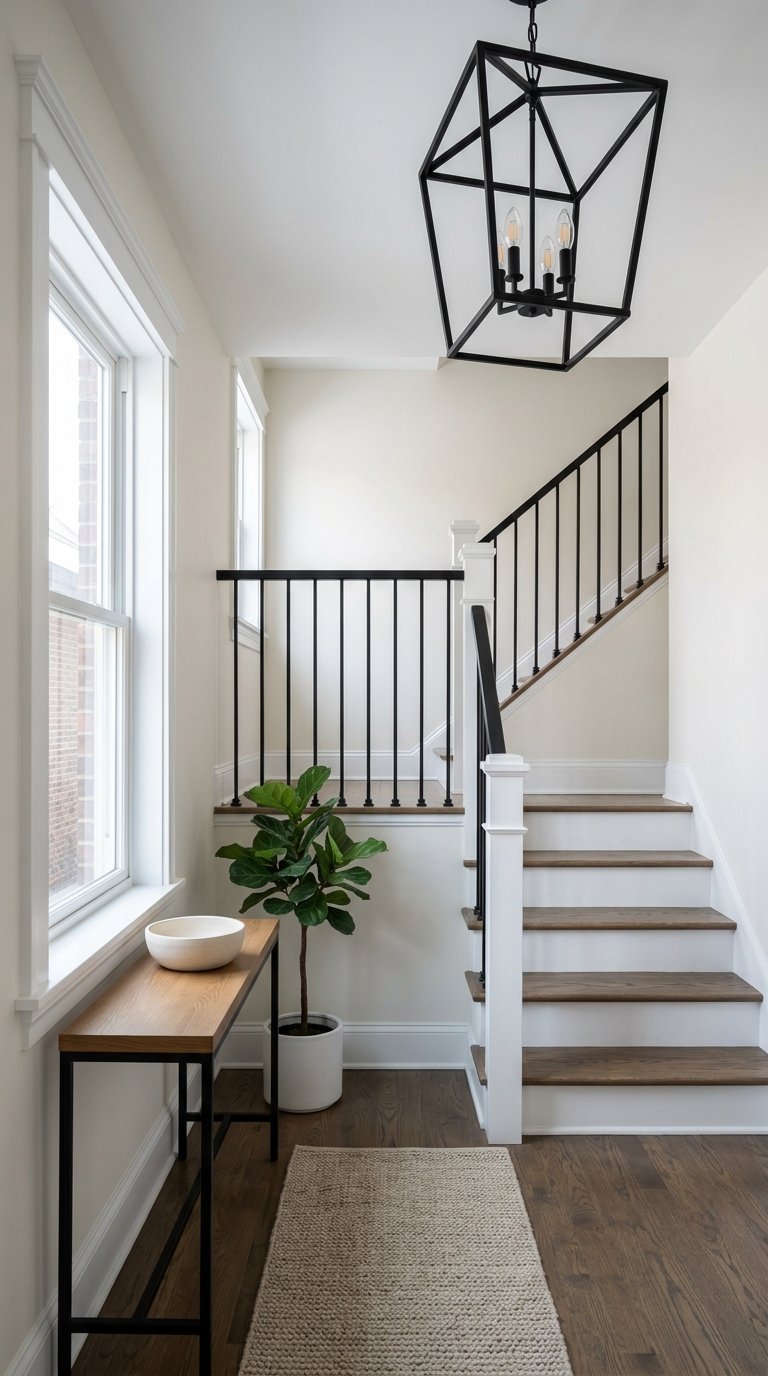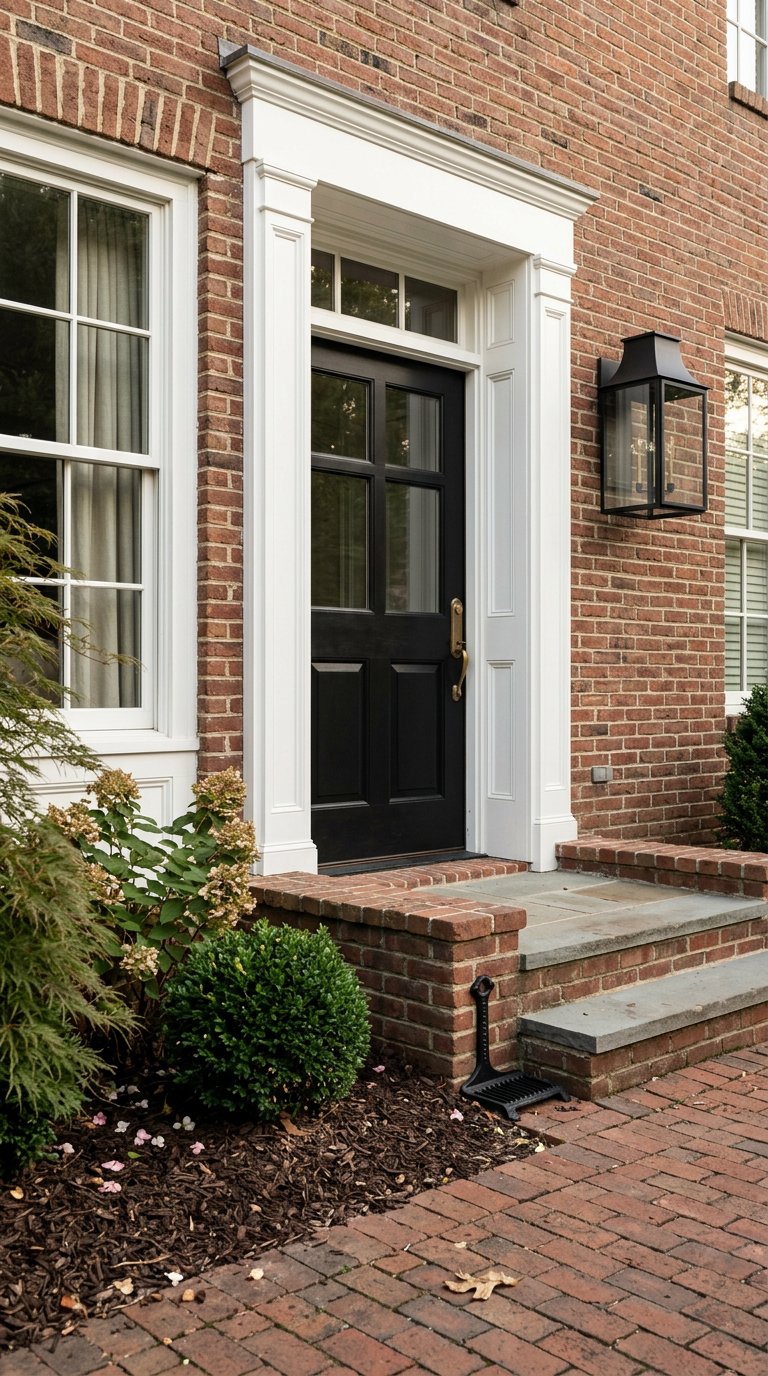
Thinking about selling your Cambridge home and wondering if the market will meet you where you are? You are not alone. With prices still high by national standards and mixed short-term signals, it can be hard to know when to move. In this guide, you will get a clear, local view of what matters right now, plus practical steps to decide if listing today or waiting a bit makes more sense for you. Let’s dive in.
Cambridge market snapshot today
Cambridge remains a high-value, low-supply market. Recent vendor snapshots put the typical home value around about $1.02 million and median time to go under agreement in roughly the 30 to 50 day range. Sale-to-list ratios have hovered near full price for well-presented homes. The share of sales over asking is below the pandemic peak but still common for well-priced listings.
You may see different numbers depending on the source and timeframe. That happens because services track different samples and date windows. Treat citywide medians as context, then base your decision on a current, neighborhood-level CMA and today’s active competition.
What drives demand here
Cambridge draws steady buyer interest thanks to a deep base of higher-income, highly educated households and the life sciences and technology ecosystem anchored by Kendall Square, MIT, and Harvard. Sector watchers expect the life sciences industry to remain a long-term growth engine in Massachusetts, which supports local housing demand. You can read more about that outlook in MassBio’s recent roadmap overview.
Census data also shows Cambridge’s distinctive profile: high educational attainment and a substantial renter population. Only about one-third of housing units are owner occupied, which shapes how condos, multi-family properties, and single-family homes behave on the market. See the city profile in Census QuickFacts for Cambridge.
Supply limits and local taxes that matter
New listings in Cambridge are limited by mature, dense neighborhoods and project-by-project approvals. A few dozen to a few hundred active listings can swing the feel of the market. Even when the region cools, well-priced homes here still attract attention.
You should also factor Cambridge’s FY26 property tax environment into your net proceeds. The city set the FY26 residential rate at $6.67 per $1,000 of assessed value, up from $6.35 in FY25. Review the latest details in the city’s Assessing Department executive summary. If you benefit from the residential exemption, include that in your calculations.
Seasonality and the best time to list
Historically, late winter through late spring and early summer tends to be the strongest stretch for sellers. Many Cambridge homes see quick buyer activity in spring as new academic and corporate hires make plans. Late summer and early fall can also work for life-timing reasons, though buyer pools may be smaller. Winter can be a strategic option when inventory is very low and serious buyers are still active.
Instead of waiting for a perfect week, aim to match your timeline with near-term signals: current competing listings, mortgage rate trends, and how quickly similar homes just went under agreement.
Life events that can outweigh market timing
Selling is often about life first, market second. Common triggers that make “now” the right time include:
- Job relocation with a set start date
- Upsizing or downsizing for space or lifestyle
- Maintenance burden or health considerations
- Estate, divorce, or financial reasons
If you have lived in your home for a while, the federal home sale exclusion may help with taxes on your gain if you meet the tests. Review the basics in IRS Publication 523, and talk with a tax professional for guidance.
Local indicators to watch right now
Inventory and months of supply
Active listings and new listing flow tell you how much competition you face. Months of supply below roughly three months often tilts to sellers, around three to six is considered balanced, and above six leans to buyers. See how analysts frame these thresholds in this months-of-supply explainer.
Days on market and sale-to-list
When similar homes accept offers quickly and sale-to-list ratios push toward or above 1.00, well-priced listings can take a confident stance. If days on market are stretching and price cuts rise, be more conservative on price and invest in presentation.
Mortgage rates and buyer budgets
Rates near the 6 percent range shape what local buyers can afford. If rates ease, demand can re-accelerate, especially in popular price bands. For a current read on the 30-year fixed average, see the latest update from Freddie Mac’s survey in this mortgage rate summary.
Local economic news
Hiring or expansion announcements in biotech and tech can add buyer demand. Larger new residential projects can add short-term supply. Keep an eye on sector updates like MassBio’s industry outlook.
Strategies by property type
Condominiums
Condos see strong interest from professional and academic buyers, as well as investors. Focus on updated, move-in ready presentation and clear disclosures about building reserves, planned projects, and association policies. If your unit is rented, plan showings around the lease and set expectations early with tenants.
Multi-family buildings
Small multi-family properties attract investor and owner-occupant interest. Present in-place rents, lease terms, expense history, and any recent capital improvements. Consider timing around lease expirations to widen your buyer pool.
Single-family homes
Well-prepared single-family homes have limited direct competition. Prioritize curb appeal, light cosmetic updates, and a pricing strategy that accounts for the most recent pending sales nearby.
A simple Cambridge seller checklist
- Get a property-specific CMA using sales and pendings from the last 30 to 90 days in your micro-neighborhood.
- Build a net proceeds estimate that includes FY26 taxes, any residential exemption impact, closing costs, and payoff amounts. Reference the city’s Assessing summary for current rates.
- Choose timing that fits your life and current inventory. Spring is typically strongest, but align with mortgage-rate trends and nearby listings.
- Complete high-ROI prep: paint touch-ups, lighting, minor repairs, deep clean, and focused staging.
- If rented, plan showings with tenants and align listing around lease dates. Cambridge’s renter share is high, which influences marketing plans; see Census QuickFacts for context.
So, is it the right time to sell?
If you are ready to move, Cambridge’s limited supply and deep buyer pool often support a sale, even when headlines feel mixed. The key is to price from real-time comps, watch today’s inventory and rates, and present beautifully. A clear CMA and net proceeds estimate will show whether listing now or waiting a few months best fits your goals.
If you want tailored advice, our team pairs neighborhood-level pricing expertise with premium preparation and marketing. Talk to Lauren Holleran to get a property-specific plan.
FAQs
What is the typical Cambridge home value right now?
- Vendor snapshots put the typical value near about $1.02 million, but your home’s value depends on recent nearby sales and current competing listings.
How do Cambridge property taxes affect my sale proceeds?
- Cambridge’s FY26 residential rate is $6.67 per $1,000 of assessed value; use the city’s Assessing summary and include any residential exemption when calculating net proceeds.
When is the best month to list in Cambridge?
- Spring through early summer often brings more buyers and faster sales, but the best time is when your life and current local inventory align for your property type.
How do mortgage rates impact Cambridge buyer demand?
- Rates shape affordability; when the 30-year fixed average eases, more buyers can stretch into Cambridge price bands. Check the latest mortgage rate summary for direction.
What should I plan for if my Cambridge condo or multi-family is tenant occupied?
- Coordinate showings around leases, give proper notice, and prepare clear rent rolls and expense data; advance planning can widen your buyer pool and support price.