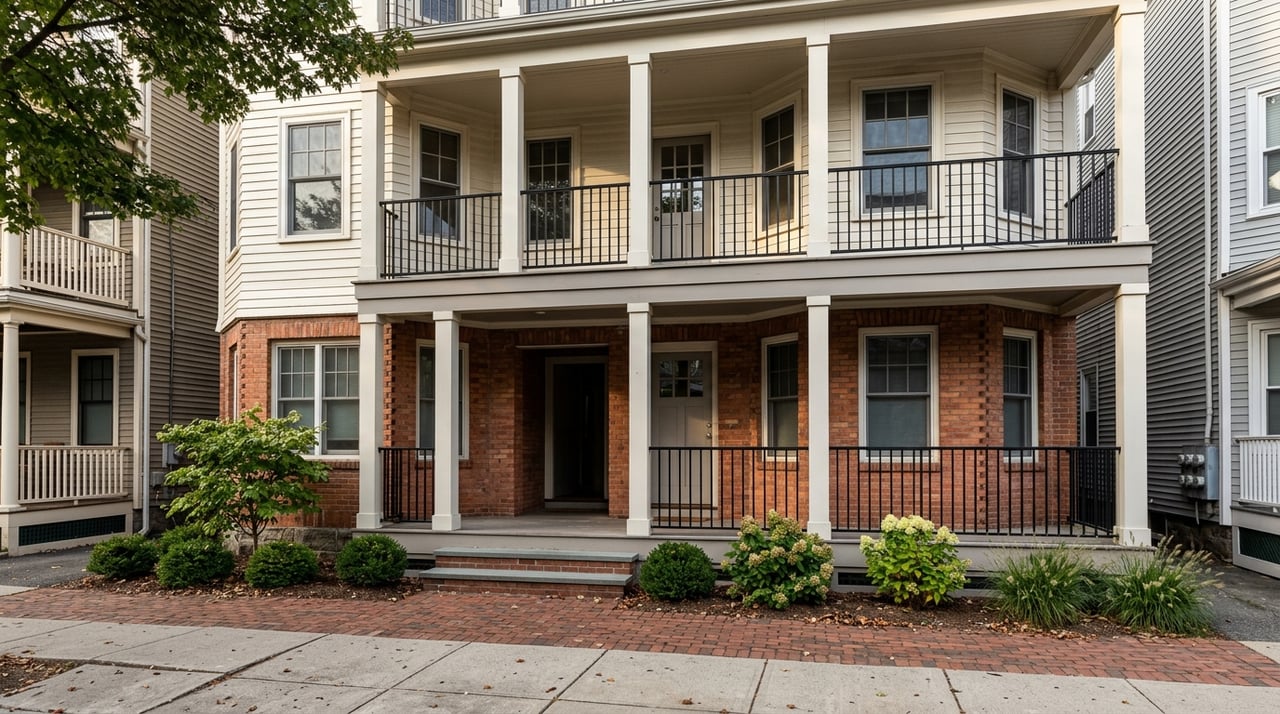
If you have been thinking about buying a multi-family in Somerville, you are not alone. This is one of the few places where two- and three-family homes are not a niche product but a defining part of the local housing stock, which creates real opportunity for both owner-occupants and small investors. To buy well here, you need more than a quick rent estimate. You need to understand the building stock, the neighborhood differences, and the due diligence issues that can shape your returns. Let’s dive in.
Why Somerville stands out
Somerville is a dense, high-demand market with 82,149 residents and 35,715 households. Only 34.2% of households are owner-occupied, the median gross rent is $2,517, and the median owner-occupied home value is $911,300. Those numbers help explain why multi-family homes remain such an important category for buyers who want rental income, flexibility, or long-term appreciation.
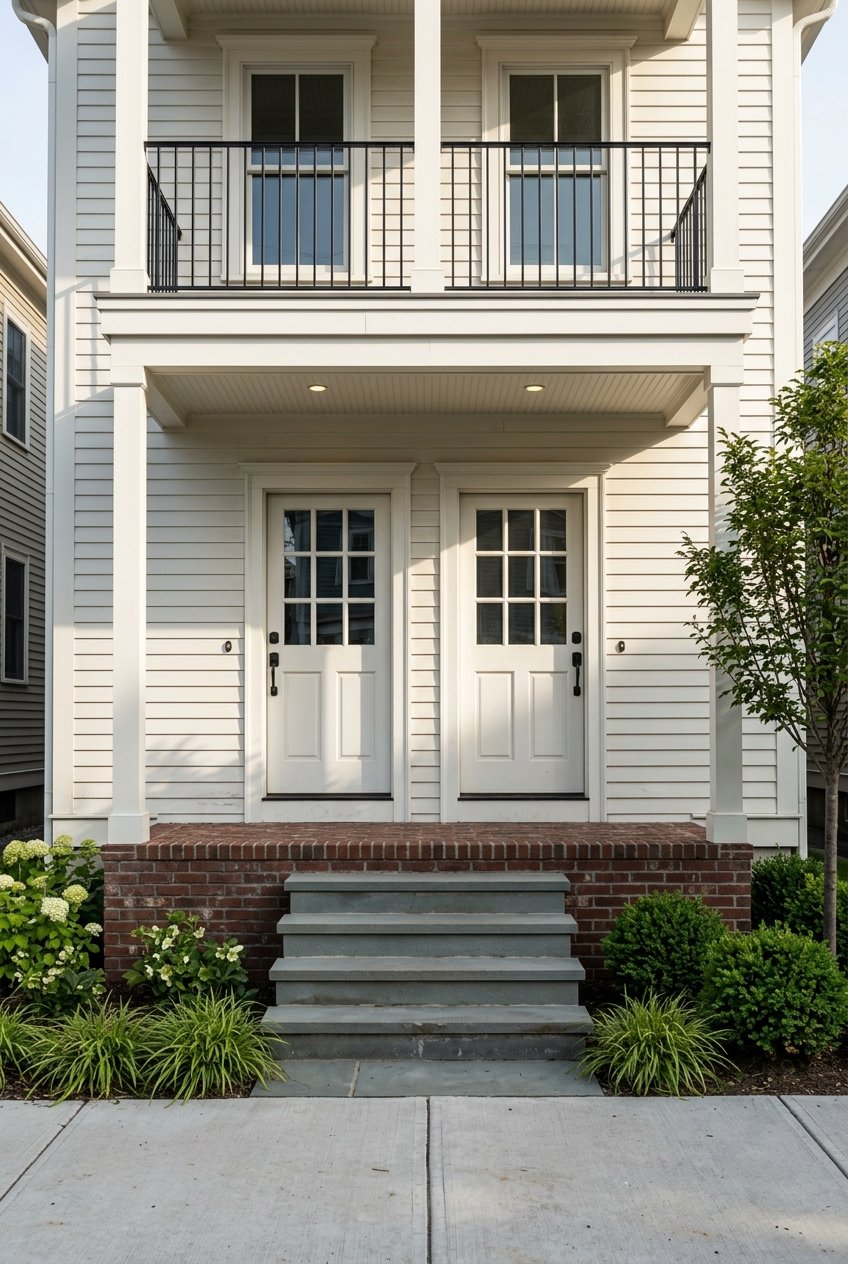
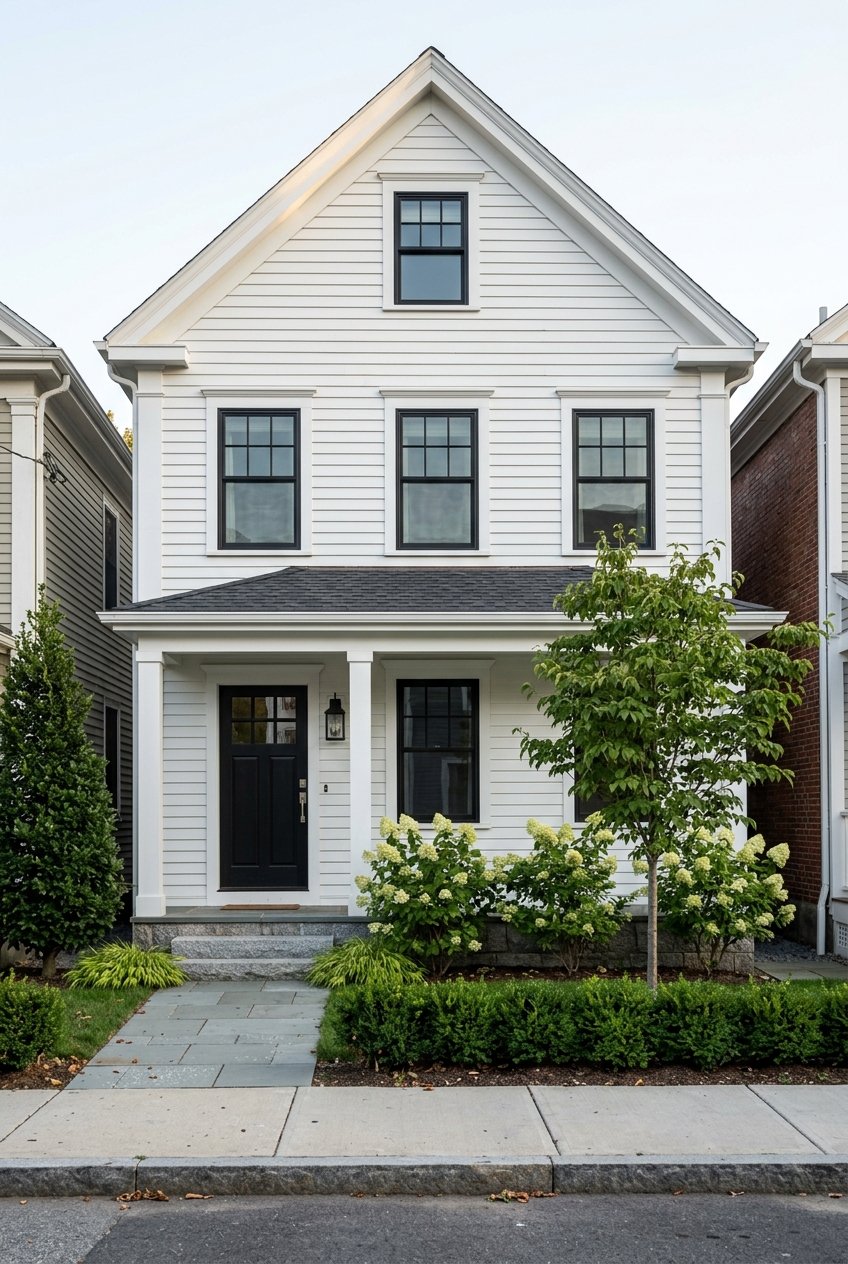
What makes Somerville especially distinctive is its housing mix. According to the city’s 2025 Housing Needs Assessment, 27.7% of housing units are in duplexes and 26.8% are in 3- or 4-unit buildings. Together, those small multi-family types make up 54.5% of the city’s housing stock, while detached single-family homes account for just 11.0%.
Why small multi-families stay valuable
In many markets, new construction can compete with older two- and three-family homes. In Somerville, that has not really happened. From 2019 through 2023, only 20 two-family units and 6 three-family units were built, while 1,706 units were added in buildings with 8 or more units and 211 condo units were built.
That imbalance matters. It means the classic Somerville two-family or three-family remains a scarce and relevant asset, especially for buyers who want a property with income potential in a transit-oriented location.
Scarcity supports demand
The city also reports that vacancy for both rental and ownership housing was between 1% and 2% in 2022. That is below the roughly 3% to 5% range often considered healthy. Tight vacancy does not guarantee easy ownership, but it does point to a market where housing remains in short supply.
On top of that, condo conversions and strong homebuyer demand have reduced the supply of rental units. For investors, that reinforces the need for realistic underwriting based on actual building condition and neighborhood rent potential, not just future resale hopes.
What drives rental demand in Somerville
Somerville’s renter demand is tied to a few powerful fundamentals. The city connects that demand to MBTA access, walkability, bikeability, Assembly Row, proximity to jobs, and access to academic centers in Cambridge and Boston. Mixed-use development and growth in higher-paying industries have also supported pricing.
The renter pool is also well matched to the typical layouts found in small multi-family properties. Nonfamily households make up 62.0% of all households in Somerville, and the city notes that growth has been driven by unrelated individuals living together. In practical terms, that supports steady demand for 2- and 3-bedroom apartments that work well for roommates or smaller households.
Layout matters as much as location
Somerville’s occupied housing stock is heavily weighted toward practical apartment sizes. About 37.8% of occupied units are 2-bedroom units, and 24.0% are 3-bedroom units. The city also notes that larger households face the biggest shortages, which helps explain why well-configured 2- and 3-bedroom apartments tend to remain highly liquid.
For a multi-family buyer, that is an important clue. In many cases, the most durable rental demand is not for oversized luxury layouts, but for efficient units that fit how people actually live in Somerville.
Neighborhood fit can change the numbers
Not every Somerville multi-family performs the same way. The city’s housing data show meaningful variation in rent levels and effective rent per square foot depending on location. Assembly Square, Union Square, Davis Square, and Powder House Square tend to show some of the highest rents, while East Somerville has also seen rising development interest and higher effective rents.
That does not mean one area is universally better than another. It means you should look at each property in context. Two similar buildings can underperform or outperform based on their block, transit access, condition, and nearby development patterns.
Submarket differences to watch
The city points to distinct neighborhood demand profiles across Davis Square, Assembly Square, Union Square, East Somerville, Winter Hill, and Powder House Square. Newer development has also been concentrated around Assembly Square, East Somerville, the west side of Magoun Square, and the south side of the city, including Union Square, Spring Hill, Boynton Yards, and Twin City.
That neighborhood spread matters when you model both current rents and future appeal. A strong purchase is not just about buying a two-family or three-family home. It is about buying the right building in the right submarket with a rehab and management plan that fits that location.
The biggest underwriting issue: older housing stock
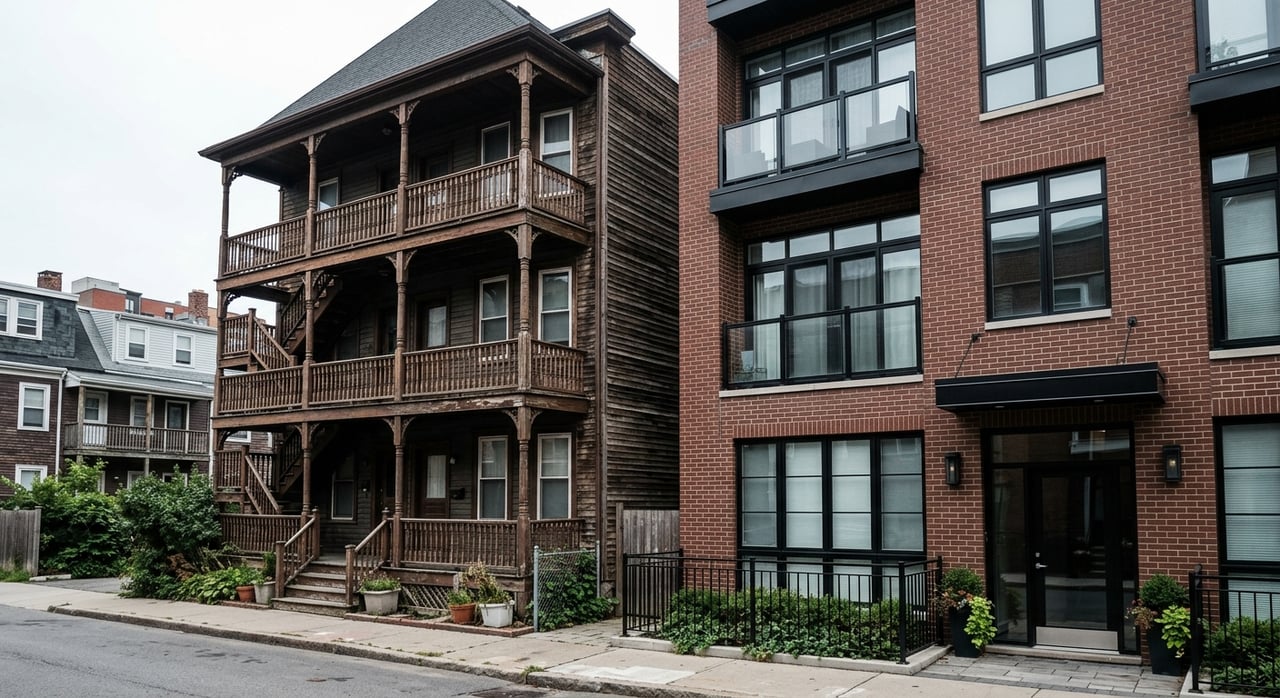
Charm can be a real asset in Somerville, but age comes with costs. The city reports that 75.9% of owner-occupied units and 50.8% of renter-occupied units were built in 1939 or earlier. In other words, older building systems are normal here.
That should shape how you analyze a property from day one. A clean showing does not tell you everything about deferred maintenance, insulation, moisture, foundation conditions, electrical updates, or unit separation.
Condition can affect your budget fast
Somerville’s renter handbook says homes must be weather-tight, rodent-proof, and free from chronic dampness. It also states that buildings with three or more units must provide adequate garbage and rubbish storage. For buyers, that means operating costs and capital planning deserve close attention, even on attractive properties.
This is one reason multi-family investing in Somerville often rewards buyers who take a disciplined approach. A property can be beautiful on paper and still need meaningful work to meet your income and maintenance goals.
Lead, zoning, and legal unit count
For pre-1978 buildings, lead should be part of your diligence checklist. Somerville states that lead paint must be removed or covered when a child under 6 lives in a unit, and temporary relocation may be required during deleading. On an older two- or three-family, lead compliance can become a real capital item rather than a minor repair.
You should also verify unit legality before placing value on extra space. Finished basements, attic conversions, enclosed porches, and informal additional units can affect how a property should be underwritten.
Check permits and zoning early
Somerville adopted a new zoning ordinance and official atlas in 2019. The Planning Division handles zoning applications through a pre-submittal process, while the Building Division manages permitting, plan review, and inspections. If a property’s value depends on an added unit or expanded living area, confirming that history early can help you avoid expensive surprises later.
This is especially important in a market where buyers sometimes see potential in every extra room. Potential only adds value when it aligns with zoning, permits, and practical renovation costs.
Tax planning matters for house hackers
If you are planning to live in one unit and rent the others, tax structure deserves a closer look. Somerville uses classified tax rates and assesses property at market value using replacement cost, sales comparisons, and income generated by the property. The city also offers a residential exemption for owner-occupants, with the exemption amount changing annually.
For some house hackers, that exemption can partially offset carrying costs. It is not a reason to stretch beyond your comfort zone, but it is one more local factor that can affect the real monthly picture.
Keep records after closing
The Assessing Department also relies on inspections and permit review. If an owner declines inspection, the city may estimate interior condition and features, which can affect valuation or an abatement appeal. Keeping good records on upgrades, layout changes, unit count, and lease income can make ownership easier over time.
Do not count on short-term rentals
Some buyers assume short-term rental income can fill any gap in the numbers. In Somerville, that is not a wide-open backup plan. The city requires the unit to be the operator’s primary residence, bars adjacent-unit short-term rental use, requires registration, and limits absent-owner short-term rentals to 90 days per year.
That means your acquisition should stand on its own as a long-term or traditional rental property. If the deal only works with aggressive short-term rental assumptions, it may not be the right fit for this market.
Who is the best fit for a Somerville multi-family?
The strongest fit is often an owner-occupant or small investor who values local scarcity, understands older housing, and can underwrite neighborhood-specific rent potential carefully. Somerville continues to stand out as a scarcity market where small multi-family stock is central to the city, renter demand is reinforced by transit and nearby universities, and new small multi-family construction remains limited.
That said, success here usually comes from buying with precision. You want to evaluate condition, legal unit count, expected repairs, neighborhood rent levels, and the balance between near-term cash flow and long-term appreciation.
How to approach your search strategically
If you are serious about investing in Somerville multi-family homes, it helps to focus on a few priorities:
- Compare neighborhoods, not just list prices
- Pay close attention to 2- and 3-bedroom layouts
- Underwrite older systems conservatively
- Verify permits, zoning, and legal unit count
- Model taxes and owner-occupant benefits carefully
- Treat short-term rental income as limited, not guaranteed
- Build a realistic repair and capital plan before you close
In a market as block-by-block as Somerville, local context can make a major difference. The right guidance can help you weigh tradeoffs clearly and move with confidence.
If you are considering a two-family or three-family purchase in Somerville, working with a team that understands the city’s housing stock, neighborhood patterns, and transaction nuances can save you time and reduce risk. Connect with Lauren Holleran for thoughtful, local guidance on finding the right multi-family opportunity.
FAQs
What makes Somerville attractive for multi-family investing?
- Somerville has a large share of small multi-family housing, tight vacancy between 1% and 2%, strong renter demand, and limited new construction of two- and three-family properties.
What unit layouts are most practical in Somerville multi-family homes?
- The city’s housing mix and household patterns suggest that 2- and 3-bedroom apartments are often the most liquid and broadly appealing layouts for renters.
What should you inspect in an older Somerville multi-family property?
- You should look closely at building systems, moisture issues, weather-tightness, rodent prevention, trash storage requirements for 3+ unit buildings, and any deferred maintenance that could affect operating costs.
Why does neighborhood matter when buying a Somerville investment property?
- Rent levels and effective rent per square foot vary across areas like Assembly Square, Union Square, Davis Square, Powder House Square, East Somerville, and Winter Hill, so location can materially affect performance.
What zoning questions should buyers ask about Somerville multi-family homes?
- Buyers should confirm legal unit count, permit history, and the status of finished basements, attic conversions, porches, or added living space before relying on that area in their valuation.
Can you use short-term rentals to boost income in Somerville?
- Somerville limits short-term rentals by requiring primary residence occupancy, registration, and restricting absent-owner use, so buyers should not rely on unrestricted short-term rental income.