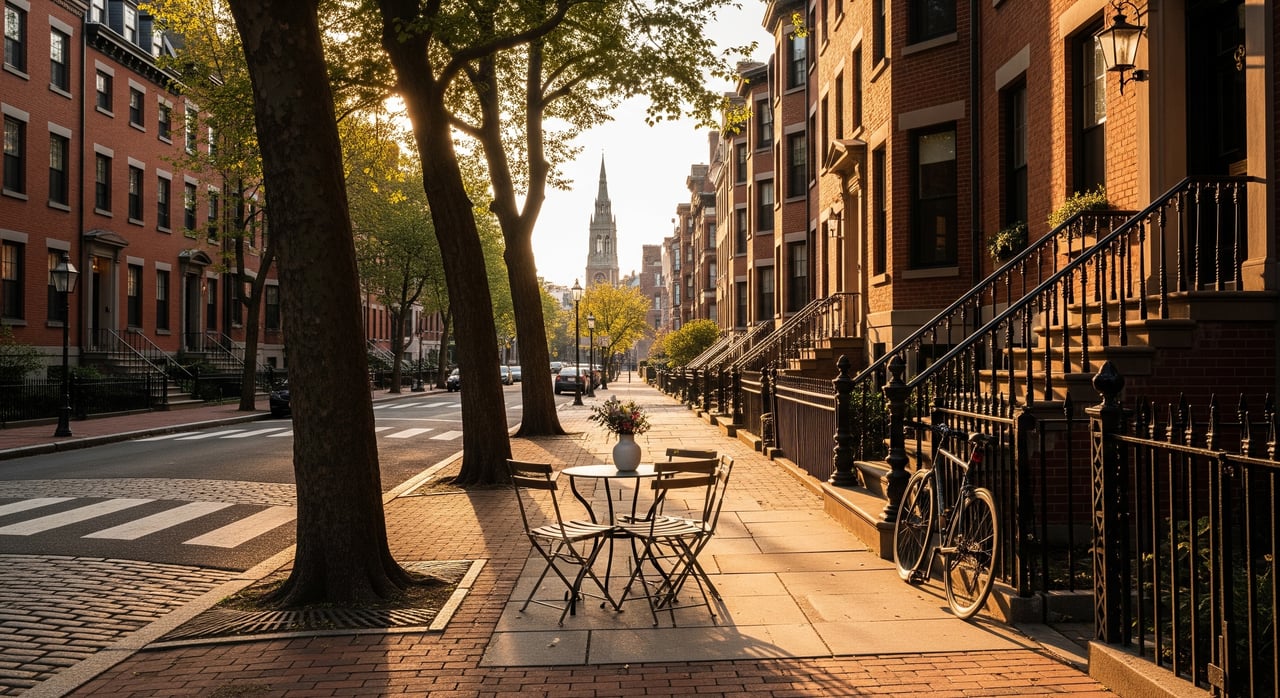
Do you picture yourself walking from a cozy cafe to a riverfront path, then hopping on the Red Line to meet friends across town? If so, you may be imagining Cambridge. With lively neighborhood centers called squares, a strong transit network, and a blend of historic streets and modern hubs, everyday life here is both practical and energizing. In this guide, you will learn how the squares differ, how to get around, and what daily conveniences look like so you can decide where you fit best. Let’s dive in.
Cambridge in a nutshell
Cambridge is a compact city of about 118,403 people, according to the U.S. Census Bureau QuickFacts. You feel that density in the best way: short walks to errands, easy transit, and plenty of street life. Harvard University and MIT shape the city’s rhythm, while the Kendall Square area anchors a major tech and life sciences cluster with a weekday buzz (Kendall Square community site).
That mix creates lively days and select pockets of nightlife, plus a housing market that is typically costlier than many surrounding suburbs. Most days, you can do a lot without a car. When you do need to go farther, transit and bike options make it manageable.
Meet the squares
Each square functions as a neighborhood hub. You will find different vibes, housing types, and routines as you move from one to another.
Harvard Square
Harvard Square blends historic charm with everyday bustle. Expect a steady flow of students and visitors, independent bookstores, and cafes. Housing includes older multiunit buildings and a mix of rentals and condos. The area connects directly to Harvard Yard and university cultural institutions.
Central Square
Central Square is known for its diverse dining, arts, and music scene. It has more nightlife than many other parts of the city and a strong local energy. You will find a mix of renters and long-time residents in surrounding blocks. Restaurants span many cuisines, and venues host performances throughout the year.
Kendall Square and East Cambridge
Kendall Square centers on tech and biotech workplaces, with newer apartment and condo buildings and a weekday crowd. Evenings are quieter than Central or Harvard, but you will find growing dining options and river access nearby. Many residents choose Kendall for short commutes to employer campuses. East Cambridge extends the modern feel with new development and convenient connections.
Porter Square and Alewife
Porter Square has strong transit links and a residential feel. You will see older houses, triple-deckers, and apartments, plus a Red Line stop and the commuter rail at Porter. Alewife sits at the Red Line terminus and offers transit-oriented apartments and quick highway access to points north.
Inman, Prospect, and Cambridgeport
These neighborhoods emphasize everyday convenience with local restaurants, small markets, and quieter side streets. Nightlife is lower-key, and many blocks feel neighborhood-oriented. You will find parks nearby and a range of housing types, from triple-deckers to small apartment buildings.
Lechmere and NorthPoint
Lechmere and the NorthPoint area in East Cambridge have seen new development and improved connections. The riverfront and nearby green spaces balance the modern landscape. These pockets appeal to people who want newer buildings and proximity to Kendall and downtown connections.
Getting around without hassle
Cambridge has multiple ways to move around easily. Your best routine will depend on where you live and where you go most often.
Subway and commuter rail
The Red Line runs through Cambridge with stops at Alewife, Porter, Harvard, Central, and Kendall/MIT. It offers one-seat rides to downtown Boston and transfers to other lines, making commutes and nights out straightforward (MBTA Red Line information). Porter Square also serves the Fitchburg Line commuter rail for regional trips.
Buses, bikes, and micromobility
MBTA buses connect the squares and fill gaps between subway stations. Cycling is popular thanks to protected bike lanes, riverfront paths, and a citywide bike-share. Bluebikes docks are widely available for quick trips and last-mile connections (Bluebikes system).
Walking and scale
Cambridge is highly walkable in and around the squares. Sidewalks, neighborhood retail, and short distances make walking a practical daily choice. Many errands are possible within a few blocks of home.
Driving and parking
If you own a car, factor in parking. Many neighborhoods use resident permits and have limited on-street supply. Peak-hour driving can be slow, so plan ahead and check the City’s guidelines for permits and enforcement through the Transportation and Parking division.
Everyday essentials and culture
From groceries and parks to museums and festivals, there is a lot to plug into across the city.
Groceries and markets
You will find small markets, regional chains, and specialty food shops scattered by square. Weekly farmers markets pop up seasonally in different neighborhoods. Many residents combine small daily shops with a larger weekly run.
Parks and river paths
The Charles River paths are a daily favorite for running, biking, and strolling. Fresh Pond Reservation offers longer loops and birding, while Danehy Park and Cambridge Common serve as versatile community spaces. Magazine Beach Park and greenways add to the mix, and the City’s parks and recreation listings are helpful when you want to explore a new spot.
Arts, museums, and events
Culture is part of daily life here. You can visit the Harvard Art Museums, the MIT Museum, and catch a performance by major local theaters. Citywide festivals and neighborhood events keep the calendar full throughout the year.
Healthcare and schools
Cambridge Health Alliance provides hospital and community care, and many private practices complement those services. For K–12, Cambridge Public Schools oversee district schools, with private and charter options in the mix. For enrollment and performance details, refer to official district and state sources.
Housing snapshot and tradeoffs
Cambridge housing varies street by street, and that is part of its appeal. You can often choose the tradeoffs that fit your routine.
Housing types you will see
Expect older wooden triple-deckers, brick rowhouses, and small apartments, plus midcentury buildings and newer condos near Kendall, Lechmere, and NorthPoint. Many homes do not include dedicated off-street parking, so confirm what your unit offers. Newer developments cluster near major transit and employment centers.
Costs, programs, and policy context
Cambridge is an expensive market within Greater Boston. The City runs programs that preserve or create income-restricted units and provides information about eligibility and waitlists. If you want to explore options, start with the City’s housing resources and programs.
Rental rhythms and timing
Rental demand follows the academic calendar, which means a busy late summer season and more competition around September. If you are renting, try to start your search early and be ready with documents. If you are buying, aligning your timeline with market activity can help you spot opportunities.
Choosing your square by lifestyle
- Want a historic, cafe-rich center with constant energy? Look at Harvard Square.
- Want short commutes to tech and newer buildings? Kendall and East Cambridge are practical.
- Want nightlife and global dining? Central Square is your go-to.
- Want a more residential feel with solid transit? Porter and the Alewife corridor can work well.
- Want neighborhood restaurants and quieter streets? Inman, Prospect, and Cambridgeport fit that bill.
What a typical week feels like
Weekday mornings and evenings bring commuters and students to the sidewalks and trains. Harvard and Kendall are especially active during the day, while Central draws more of the nightlife crowd. Weekends shift gears to markets, parks, river walks, and local events, with some areas quieter as the weekday workforce thins out. Across the city, you will find room for both busy blocks and peaceful side streets.
Practical tips for a smooth transition
- Test your commute at your target time before you sign a lease or offer.
- Walk the area at night and on weekends to feel the rhythm.
- Confirm parking rules and any building-specific policies in advance through the City’s Transportation and Parking division.
- If safety is top of mind, review neighborhood maps and public safety data from the Cambridge Police Department.
- Make a short list of nonnegotiables, like a park within five minutes, a specific transit stop, or a grocery on your route home.
Ready to explore homes and neighborhoods?
Finding the right fit in Cambridge comes down to your daily rhythm. Whether you want a quick Red Line hop to Boston, a quieter residential pocket near parks, or a modern condo close to Kendall, you have options. When you are ready to tour neighborhoods, compare tradeoffs, or plan a move with confidence, connect with Lauren Holleran for hyper-local guidance and a seamless experience.
FAQs
How long does it take to reach downtown Boston from Cambridge by Red Line?
- Typical Red Line rides range from single-digit to low-20 minutes depending on your station and time of day. Check schedules and service updates on the MBTA Red Line page.
What transit options exist beyond the Red Line in Cambridge?
- Bus routes connect squares and fill gaps between stations, Bluebikes covers short trips, and Porter has commuter rail. You can also review the Green Line Extension updates on the MBTA GLX project.
Where can I verify resident parking and permit rules?
- The City’s Transportation and Parking division explains residential permits, visitor passes, and enforcement details.
How can I learn about public schools and enrollment in Cambridge?
- Start with Cambridge Public Schools for official enrollment and program details on the district website, and use state profiles for data.
Which parks are most popular for everyday exercise?
- Residents often use the Charles River paths, Fresh Pond Reservation, Cambridge Common, Danehy Park, and Magazine Beach. The City’s parks and recreation listings show amenities and locations.
Where do I find information about affordable housing programs?
- The City’s housing resources and programs outline income-restricted housing, eligibility, and how to apply or join waitlists.