If you picture life along the Charles River in Cambridge as one thing, it helps to think again. This stretch of the city changes block by block, from busy mixed-use areas near Central Square to quieter residential pockets farther west. If you are wondering what day-to-day life actually feels like here, this guide will walk you through the neighborhoods, commuting patterns, housing mix, and outdoor rhythm that shape the riverfront experience. Let’s dive in.
The Charles River Feels Different by Area
Living along the Charles in Cambridge is not a single lifestyle. It is more accurate to think of it as a spectrum, with each river-adjacent area offering its own pace, housing feel, and daily routine.
In Cambridgeport, the vibe is dense and active. The neighborhood sits along the river’s edge, with Central Square serving as its main commercial center and major Red Line and bus hub. On the southeastern edge, former industrial land has seen newer retail, lab, institutional, and residential development, which adds a more contemporary layer to the neighborhood.
In Riverside, the atmosphere feels more established and residential. City planning materials describe it as home to some of the oldest settled parts of Cambridge, with Harvard Square on one side and Central Square on the other. Massachusetts Avenue forms the retail spine, while smaller commercial areas along Putnam Avenue, Western Avenue, and River Street support day-to-day errands.
In Area 2/MIT, the riverfront takes on a more campus-centered identity. This area is largely MIT campus and student housing, with Kendall Square as its major commercial and transit anchor. The Charles River Reservation is the largest public recreational resource here, which means the eastern edge often feels more institutional and student-oriented than the stretch through Cambridgeport or Riverside.
In West Cambridge, the mood shifts again. This neighborhood is lower-density and residential, bordered by both the Charles River and Fresh Pond Reservation. If you want a quieter river-adjacent setting with a less urban feel, this is the part of Cambridge that offers that contrast.
Car-Light Living Is Normal Here
One of the biggest shifts for many buyers is how easy it can be to structure daily life without relying heavily on a car. Cambridge reports that most of the city is a short walk from public transit, including five Red Line stations, the Lechmere Green Line station, commuter rail access, and many MBTA bus routes.
The numbers help explain why transit feels like part of everyday life rather than a backup plan. In 2023, more than 100,000 public transit trips started and ended in Cambridge on each workday. That included about 80,000 Red Line trips, 3,500 Green Line trips, and 18,200 bus rides.
For residents near the river, local shuttle options add another layer of convenience. EZRide connects North Station, Lechmere, CambridgeSide, Kendall/MIT, and Cambridgeport on weekdays. The M2 shuttle connects Harvard, Central, Kenmore, and the Longwood Medical Area on weekdays, which can be especially useful if your routine crosses between Cambridge and major employment centers.
Walking and Biking Shape Daily Routines
The Charles corridor also supports a strong walking and biking culture. Cambridge notes that almost all city streets have sidewalks, and the multiuse paths along the river work as both transportation links and recreational spaces.
That dual purpose matters. A river path here is not just where you go for a weekend walk. It can also be part of how you get to work, run errands, or move between neighborhoods.
City data show bike trips more than tripled between 2004 and 2024. Bluebikes trips that start or end in Cambridge rose 343% since 2015, and in 2024, 46% of all Bluebikes trips systemwide began or ended in Cambridge.
The busiest Bluebikes stations are concentrated around MIT, Central Square, and Harvard Square. In practical terms, that helps explain why biking often feels like a real transportation option in this part of Cambridge, not just a recreational extra.
The River Is Part of Weekly Life
For many people, the Charles is not just a scenic backdrop. It is part of the weekly routine. The Charles River Reservation spans 20 miles and includes more than 20 miles of trails for biking, walking, and running, along with boating, canoeing, kayaking, playgrounds, sports fields, and other active and passive recreation.
That range of options gives the river a very usable feel. You do not need to plan a full day trip to enjoy it. A quick run before work, a walk after dinner, or time outside on a weekend can all fit naturally into life here.
One notable Cambridge destination is Magazine Beach. Current improvements described by the state and city are designed to expand access to the waterfront and add a wooden dock, observation deck, grassy lawn, picnic tables, bike racks, accessible parking, new pathways, and riverbank restoration.
That said, there is an important real-world detail that longtime locals understand. Cambridge’s riverfront planning materials note that wide roadways and limited safe crossings can make access feel less direct than it may appear on a map. So while the river is a major amenity, your exact block and access points still matter when you are evaluating how easy it will feel to use regularly.
Housing Along the Charles Is Varied
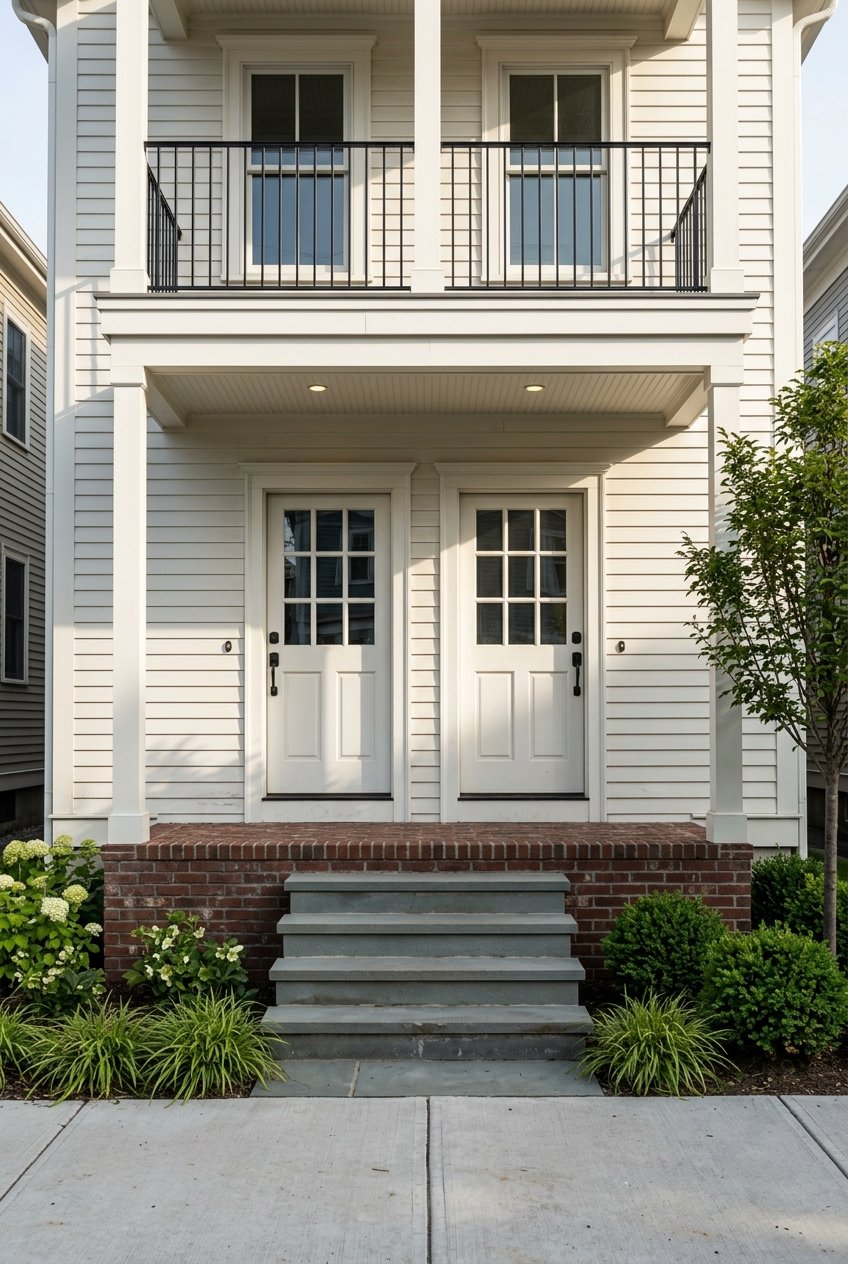
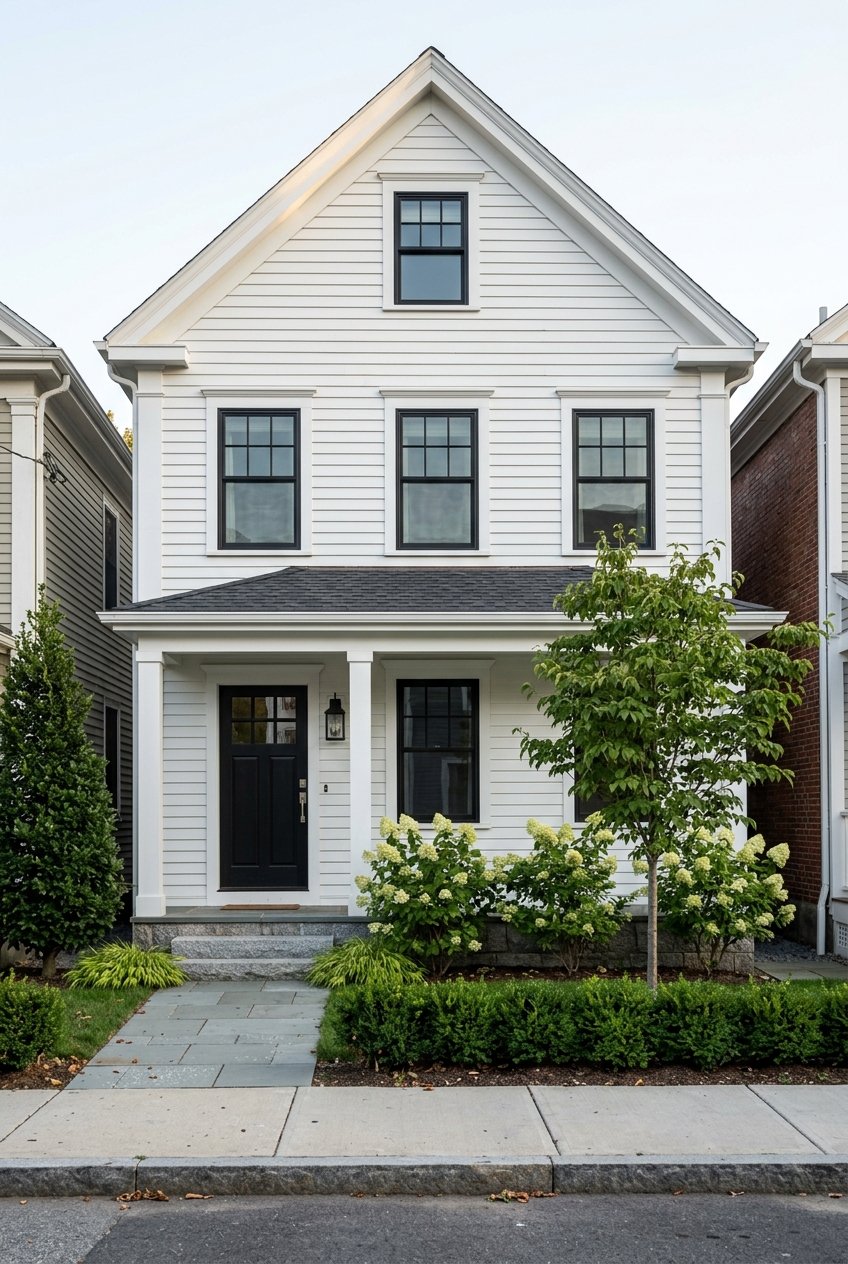
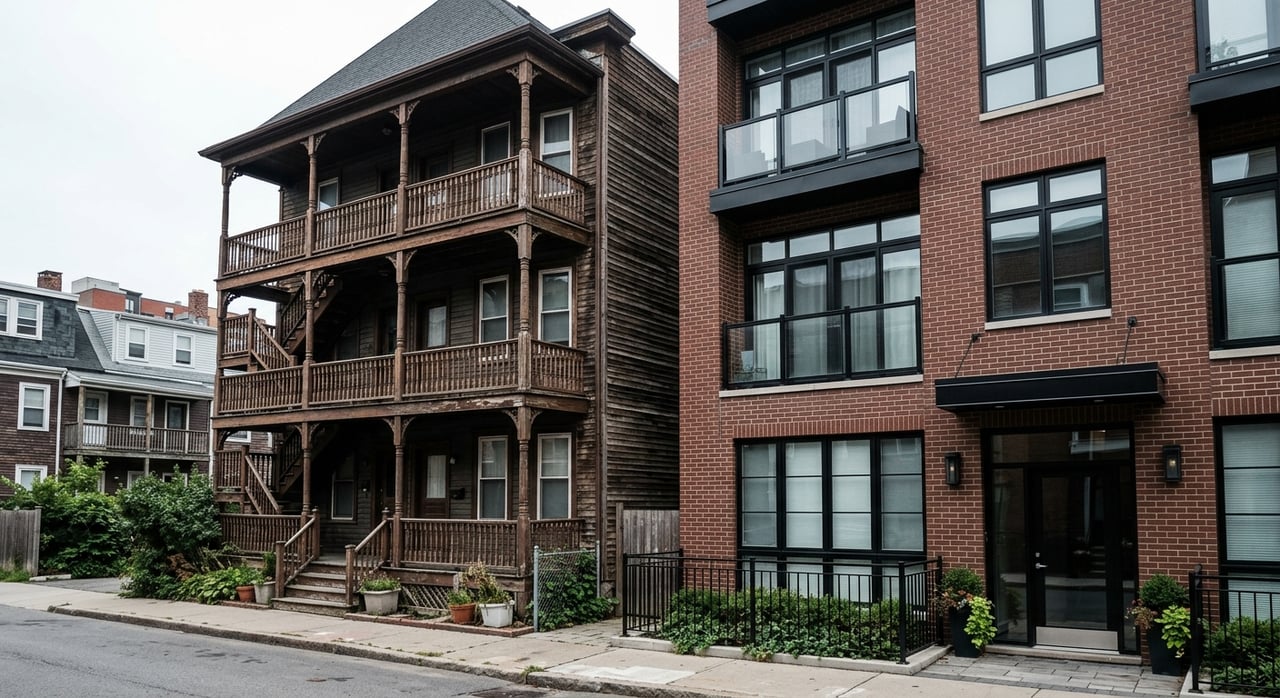
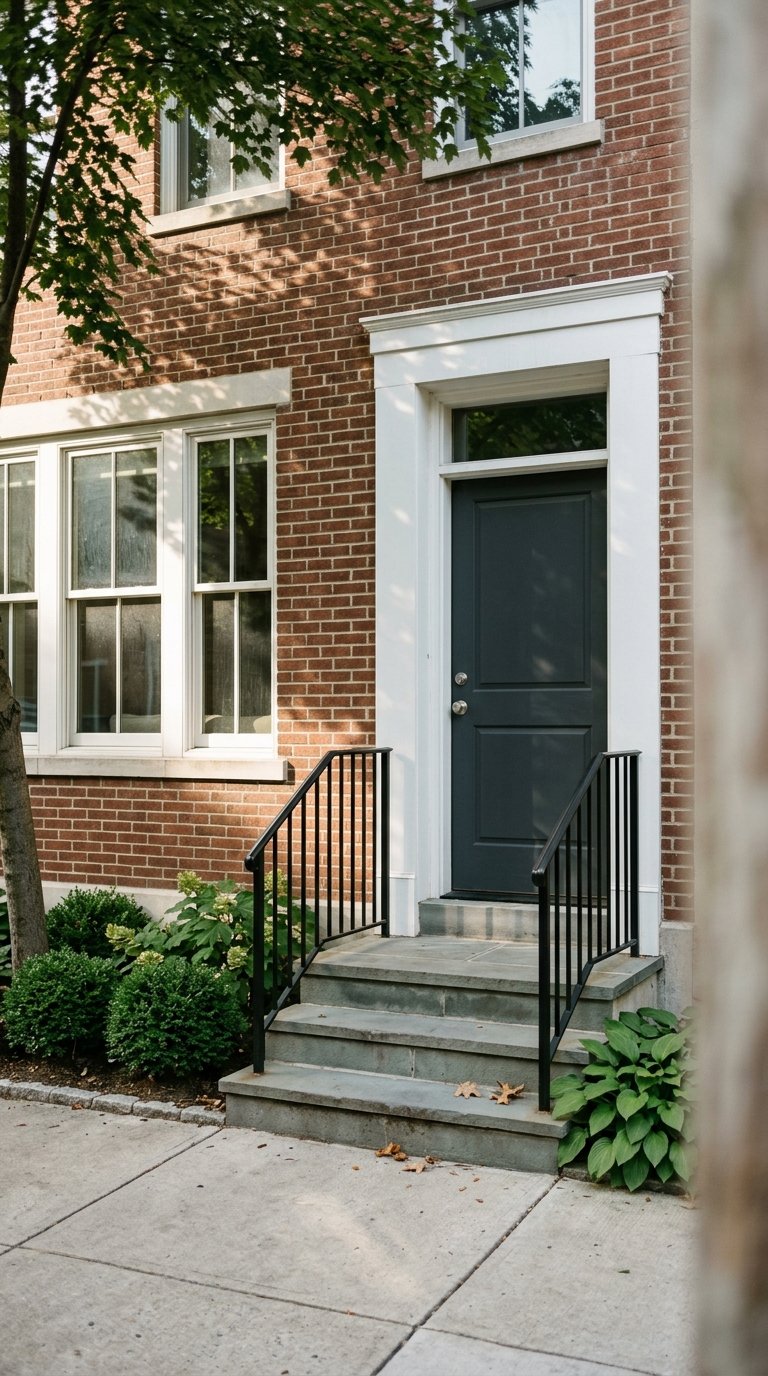
The housing stock near the Charles is one of the most interesting parts of this area. You do not see just one building type or one style of living. Instead, you get a mix of older Cambridge housing, institutional housing near MIT, and newer development on former industrial sites.
In Cambridgeport, city study materials note that many homes were originally built as triple-decker type houses to meet demand from workers and immigrant residents. That historic built form still shapes the neighborhood today, even as newer residential projects have been added in redevelopment areas.
In Riverside, planning materials emphasize the neighborhood’s scale and character of two- and three-story houses. That helps explain why parts of Riverside often feel more intimate and classically Cambridge, especially compared with larger, newer mixed-use projects elsewhere along the river.
Near MIT, housing is more closely tied to campus and student life. If you are comparing river-adjacent options, this area may appeal to buyers who want access to Kendall Square and the surrounding academic and research environment, but the feel is distinct from the more residential blocks in Cambridgeport or Riverside.
For buyers, this variety can be a real advantage. Depending on where you focus, you may find smaller condo conversions, older houses, newer mixed-use buildings, townhouse-style homes, or multi-family properties. The right fit often comes down to whether you want more energy, more architectural character, or a quieter residential pace.
The Riverfront Also Includes Housing Diversity
It is easy to assume that living near the Charles is uniform from a housing standpoint, but the data show a more layered picture. Cambridge’s affordable housing inventory as of June 30, 2025 shows 1,300 affordable units in Cambridgeport and 669 in Riverside.
That does not mean these neighborhoods are inexpensive. It does mean the housing mix is broader than many people expect, with a meaningful range of housing types and income bands represented in these river-adjacent areas.
For buyers and sellers alike, that diversity matters. It shapes who lives here, how blocks can feel from one street to the next, and why pricing and demand can vary significantly even within a relatively small section of Cambridge.
What Everyday Life Often Looks Like
So what does a normal day along the Charles in Cambridge really look like? It may mean grabbing coffee near Central or Harvard, commuting by Red Line or bike, walking the river path in the evening, or spending part of a weekend at Magazine Beach or on the Reservation trails.
It may also mean choosing between very different micro-lifestyles. Some buyers want the mixed-use energy and transit access of Cambridgeport. Others prefer the more established residential feel of Riverside, the campus-linked convenience near MIT, or the lower-density atmosphere in West Cambridge.
That is why broad descriptions of the riverfront can miss the mark. The Charles is a shared amenity, but the daily experience depends heavily on which stretch of Cambridge you choose and how you like to move through the city.
If you are thinking about buying or selling near the Charles, local context matters. Block-by-block differences in housing stock, access, neighborhood rhythm, and commuting patterns can shape both lifestyle and value. To talk through what fits your goals, connect with Lauren Holleran.
FAQs
What is everyday life like along the Charles River in Cambridge?
- Everyday life along the Charles River in Cambridge often blends city convenience with easy outdoor access, with routines shaped by transit, walking, biking, and frequent use of the river paths and parks.
Which Cambridge neighborhoods are along the Charles River?
- River-adjacent Cambridge areas include Cambridgeport, Riverside, Area 2/MIT, and parts of West Cambridge, each with a different housing style, density, and daily pace.
Is it easy to live near the Charles River in Cambridge without a car?
- Yes, many river-adjacent areas in Cambridge support car-light living because of Red Line access, MBTA buses, weekday shuttle options, sidewalks, and strong biking infrastructure.
What kinds of homes are near the Charles River in Cambridge?
- Housing near the Charles includes triple-decker type homes, condo conversions, older two- and three-story houses, student-oriented housing near MIT, and newer mixed-use residential buildings.
Are there parks and recreation options along the Charles River in Cambridge?
- Yes, the Charles River Reservation offers trails, boating, kayaking, playgrounds, sports fields, and other recreation, and Magazine Beach is a major Cambridge riverfront destination with ongoing improvements.
Does every home near the Charles River have easy river access?
- Not always, because city planning materials note that wide roadways and limited safe crossings can make access feel less direct than it appears on a map.