If you have ever looked at Cambridge home prices and wondered how buyers make the numbers work, house hacking is one of the most practical answers. In a city with strong rental demand and a large renter population, living in one unit and renting out the others can help offset ownership costs while giving you a foothold in a highly competitive market. The key is knowing that in Cambridge, the opportunity is real, but so is the need for careful due diligence. Let’s dive in.
Why house hacking fits Cambridge
House hacking usually means buying a property, living in one unit, and renting out the other unit or units. In Cambridge, that strategy gets attention for a simple reason: the city is heavily renter-occupied, with 66.5% of occupied housing units rented rather than owned.
That renter base supports steady demand for housing across many parts of the city. Cambridge also has a notable student and graduate-school population, with 25.1% of residents enrolled in college or graduate school, which adds to the need for rentals in a market that already has limited supply.
Rents also help explain why buyers consider this approach. The city’s 2025 third-quarter median asking rents were $2,785 for a one-bedroom, $3,400 for a two-bedroom, and $3,900 for a three-bedroom, which shows how rental income can meaningfully offset monthly ownership costs.
At the same time, Cambridge house hacking is rarely a low-cost entry point. The city reports a 2024 median market-rate sale price of $1,542,500 for a two-family and $1,822,500 for a three-family, so your plan needs to account for a high acquisition cost from day one.
Which Cambridge properties matter most
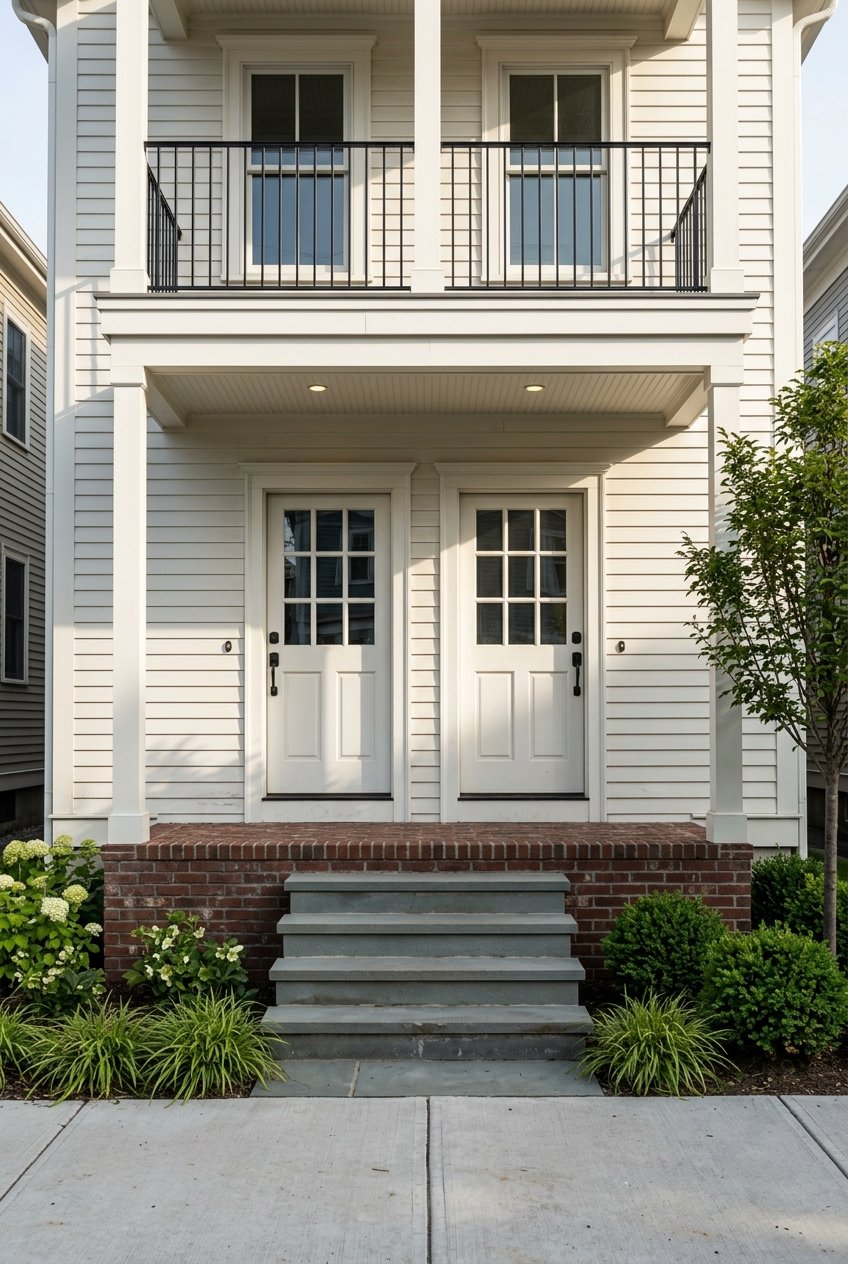
Not every property type works equally well for house hacking. In Cambridge, the most relevant options are usually small multi-family buildings where you can occupy one unit and rent the others.
The city reports that 11.9% of dwelling units are in two-unit properties, 10.5% are in three-unit properties, and 8.8% are in four-to-six-unit buildings. Those categories are often the clearest fit for owner-occupant buyers looking for rental income and long-term flexibility.
Cambridge also notes that many multi-family properties have been converted to condominiums over time. That means traditional two-family and three-family buildings can be harder to find than buyers expect, especially if you want a property with a straightforward legal layout and solid condition.
Some buyers also look at mixed-use properties in commercial corridors. That can be worth exploring, but the property’s legal use, layout, and compliance history become especially important when residential and non-residential space are combined.
Start with legal unit count
One of the biggest mistakes in a Cambridge multi-family search is assuming the current layout tells the whole story. Before you buy, you should confirm the property’s legal unit count and review the record history.
Cambridge specifically points buyers to the City’s Property Database and certificate-of-occupancy records. The property database is current as to ownership and sales history, and the certificate-of-occupancy process starts and ends with Inspectional Services.
That matters because a property marketed as a two-family or three-family may not always line up neatly with city records. If the legal status is unclear, you could face costly surprises after closing when you begin planning renovations, occupancy, or rental use.
Understand Cambridge’s zoning changes
Cambridge adopted citywide multifamily zoning on February 10, 2025. All residential neighborhoods now fall under Residence C-1, and the city says zoning no longer sets a minimum lot size, maximum number of units, or maximum amount of floor area for housing.
The city also says residential building heights of up to four stories are allowed, or up to six stories when inclusionary housing requirements are met on lots of at least 5,000 square feet. Projects with four or more stories require a meeting with neighbors.
For house hackers, this zoning change matters in two ways. First, it can create more flexibility for future changes or additions. Second, it does not replace the need to verify what already exists legally on a specific property today.
Check condition with a landlord mindset
If you plan to house hack in Cambridge, you should evaluate the property as both a home and an income-producing building. That means looking beyond finishes and focusing on systems, maintenance, and compliance risk.
Cambridge Inspectional Services enforces the State Sanitary Code and identifies common complaint categories that include no heat, insufficient hot water, plumbing problems, cross metering, egress obstruction, rodent infestation, hoarding, rubbish, and landlord maintenance responsibilities. Those issues can affect your budget, your timeline, and your experience as an owner-occupant.
A polished kitchen or fresh paint job should never distract you from the basics. Heating systems, hot water capacity, plumbing condition, safe exits, and general upkeep deserve close attention before you commit.
This is also where local guidance matters. In Cambridge, older buildings often come with quirks that are easy to miss unless you understand the housing stock and know what to look for early in the process.
Lead paint deserves special attention
Lead paint is one of the most important Cambridge-specific issues for older housing. The city warns that lead paint in older residential units poses a health risk, and owners of multi-family properties have a legal obligation to address lead paint hazards.
Under Massachusetts law, any apartment unit or single-family home with an occupant under age six must be deleaded. The city recommends checking the state lead-inspection database when evaluating a property.
Even if your immediate plan is to live in one unit and rent another to adults, this should still be part of your due diligence. Future occupancy can change, and lead-related work can affect both costs and timing.
Plan your rental strategy early
A good Cambridge house-hack plan starts before you make an offer. You should decide whether your goal is long-term rental income, future flexibility, or a stepping stone into multi-family ownership.
For many buyers, traditional long-term leasing is the clearest path. Cambridge’s renter-heavy market and current asking rent levels can make that approach easier to model than a more complicated short-term strategy.
If you are thinking about short-term rental income instead, the rules are more limited. Cambridge says the operator must be an owner or tenant with permission, the operator must live in the short-term rental unit as a primary residence, and owner-adjacent short-term rentals are limited to buildings with four or fewer residential dwelling units and must be rented as a whole unit.
The city also says new state law requires short-term rental registration and state excise tax. If short-term rental income is part of your plan, make sure the property and your intended use fit those local rules from the start.
Do not overlook the residential exemption
If you will occupy the property as your home, Cambridge’s residential exemption may be worth reviewing. The city says applications must be filed by April 1, and January 1 is used to determine the ownership and occupancy requirements for the fiscal year.
For owner-occupants, that can be an important part of the cost picture. It is not a substitute for careful budgeting, but it can affect your annual carrying costs and should be part of your early planning.
When you compare properties, looking only at purchase price can be misleading. Taxes, maintenance, compliance work, and rental income all shape whether a house-hack property truly works for your goals.
What a smart Cambridge search looks like
In Cambridge, a strong house-hack search is rarely just about finding any two-family on the market. It is about matching the right building to your budget, timeline, and tolerance for updates or compliance work.
A smart search often includes these priorities:
- Verifying the legal unit count before you get too far
- Reviewing ownership and sales history in city records
- Checking certificate-of-occupancy details
- Evaluating heating, plumbing, egress, and maintenance risk
- Asking about lead paint history in older properties
- Comparing likely rental income with total ownership costs
- Reviewing whether owner occupancy could qualify for the residential exemption
- Confirming that your rental plan aligns with Cambridge rules
This type of preparation helps you act decisively when the right property appears. In a competitive market, confidence usually comes from doing the groundwork early, not from rushing later.
The Cambridge house-hack bottom line
House hacking in Cambridge can be a practical way to buy into a high-demand market while creating rental income from day one. The city’s renter-heavy profile, strong asking rents, and supply constraints help explain why the strategy remains appealing.
But success here is about more than finding a multi-family address. You need to understand legal unit count, zoning context, property condition, code issues, lead paint risk, and how your rental plan fits local rules.
If you are considering a two-family, three-family, or small multi-family property in Cambridge, local insight can make a meaningful difference. The right guidance can help you compare options clearly, spot issues sooner, and move forward with a strategy that fits the market you are actually buying into. If you want help navigating Cambridge multi-family opportunities, connect with Lauren Holleran.
FAQs
What does house hacking mean for a Cambridge multi-family home?
- House hacking in Cambridge usually means buying a multi-family property, living in one unit, and renting out the other unit or units to help offset ownership costs.
What property types work best for house hacking in Cambridge?
- The most common fits are two-unit, three-unit, and small four-to-six-unit buildings, since they are the clearest match for owner-occupant buyers seeking rental income.
What should you verify before buying a Cambridge multi-family property?
- You should confirm the legal unit count, review ownership and sales history, and check certificate-of-occupancy records through the city before moving forward.
How does Cambridge zoning affect a house-hack purchase?
- Cambridge now has citywide multifamily zoning under Residence C-1, which expands housing flexibility, but you still need to verify the legal status of the specific property you want to buy.
Why is lead paint important in older Cambridge homes?
- The city says lead paint in older residential units poses a health risk, and owners of multi-family properties have legal obligations to address lead paint hazards.
Can you use short-term rentals in a Cambridge house-hack property?
- Cambridge allows some short-term rental use, but the operator must live there as a primary resident and additional local rules apply, especially for owner-adjacent rentals.
What is the Cambridge residential exemption for owner-occupants?
- It is a local tax exemption that owner-occupants may qualify for if they meet the city’s ownership and occupancy requirements and file by the stated deadline.
Is house hacking in Cambridge affordable for first-time buyers?
- It can help offset costs through rental income, but Cambridge multi-family properties usually start from a high purchase price, so affordability depends on your budget, financing, and property-specific expenses.