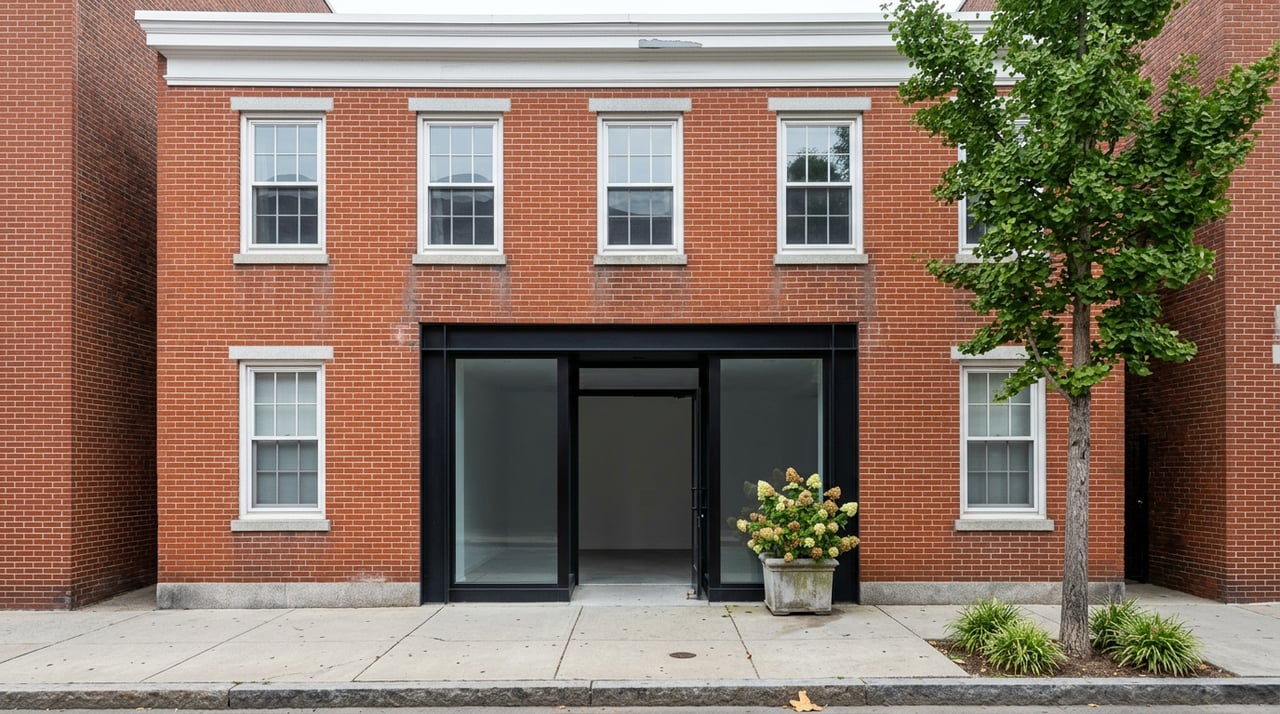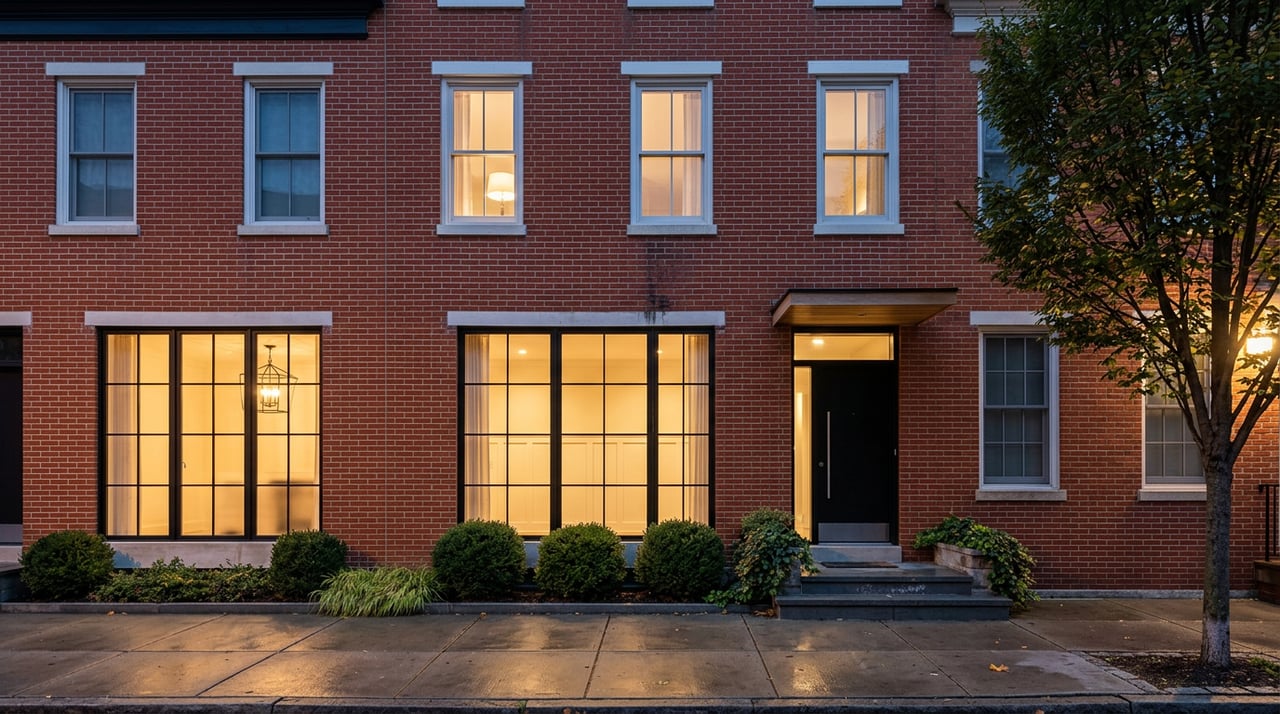
Looking for a home with more character than the typical condo? In Cambridge, loft-style living offers something a little different: open space, industrial details, and locations that put you close to some of the city’s most active mixed-use corridors. If you are weighing whether a loft fits your lifestyle, this guide will help you understand where to look, what features to expect, and how loft-style homes fit into the broader Cambridge market. Let’s dive in.
What loft-style living means in Cambridge
In Cambridge, loft-style living is less of a separate housing category and more of an adaptive-reuse niche. Many of the strongest examples come from former industrial or commercial buildings that were converted for residential use instead of being torn down.
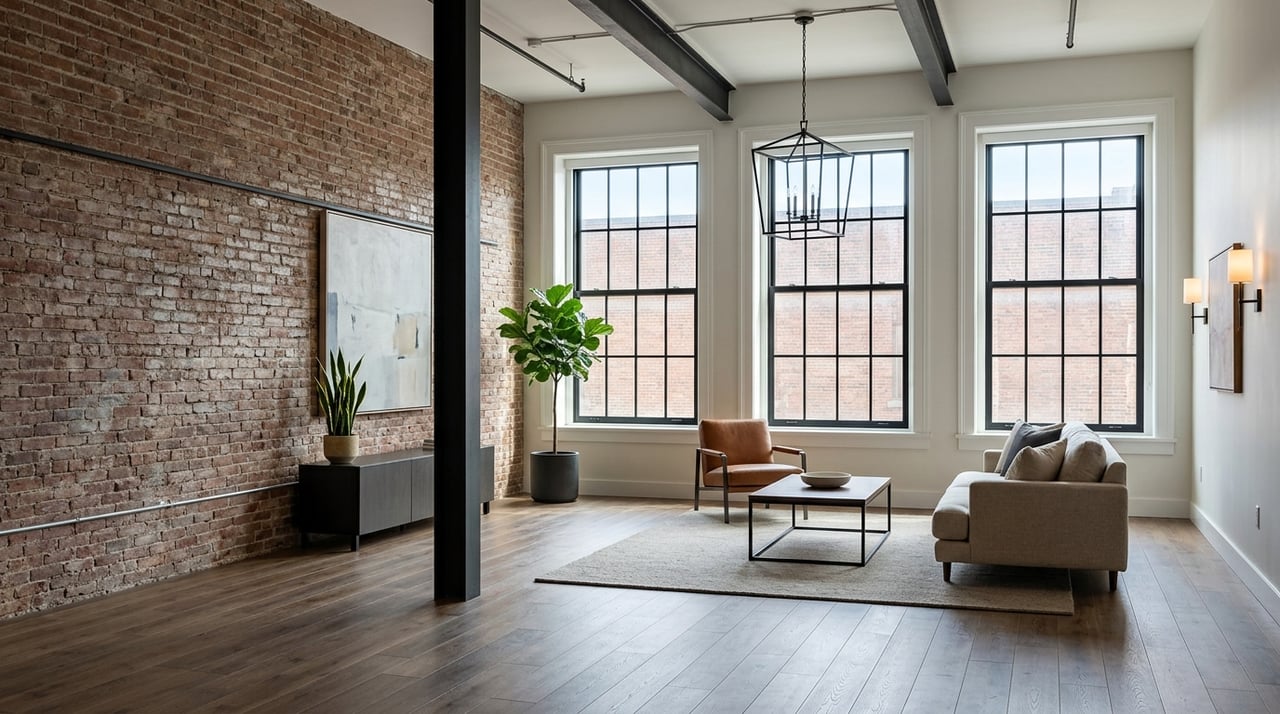
That history matters because it shapes the experience of the home itself. Rather than a standard layout in a newer building, you may find preserved brick, exposed beams, tall ceilings, and oversized windows paired with updated interiors and modern systems.
Cambridge’s planning history supports that pattern. Areas such as East Cambridge, Kendall Square, Cambridgeport, Central Square, and parts of Porter Square have all seen redevelopment tied to older industrial or mixed-use building stock.
Where to find loft-style homes
East Cambridge and Kendall Square
If you are searching for the most established concentration of loft-style housing in Cambridge, East Cambridge and Kendall Square are the clearest starting points. The city identifies East Cambridge as an area with a long industrial past, and notes that major land-use changes since the 1980s transformed manufacturing areas into commercial, retail, office, lab, and residential uses.
That transition helps explain why loft conversions show up here more often than in some other parts of Cambridge. The neighborhood’s older building stock and mixed-use evolution created opportunities for adaptive reuse, especially in transition areas near Kendall Square.
Kendall Square adds another layer to the loft story. Once a former industrial district, it is now a major center for biotech research and innovation, with housing, restaurants, shops, and hotels woven into the area.
For buyers or renters who want an urban, connected routine, this area often stands out. You are looking at a setting where older industrial-scale buildings and contemporary city life overlap in a very Cambridge-specific way.
Cambridgeport and Central Square
Cambridgeport is another important pocket for loft-style living, especially if you like the idea of a neighborhood with a strong residential feel but easy access to busier commercial areas. The city notes substantial new development along the neighborhood’s former industrial southeastern edge.
Central Square, which anchors the area’s commercial activity, adds a more urban backdrop. With a busy Red Line station, multiple bus connections, restaurants, shops, offices, and nightlife, it offers the kind of energy many loft buyers and renters are looking for.
This area also has one of Cambridge’s clearest factory-conversion examples. The Kennedy Biscuit factory at 129 Franklin Street dates to 1869 and now survives as condominiums known as Kennedy Biscuit Lofts.
If your idea of loft living includes a true conversion story, Cambridgeport and Central Square deserve a close look. The appeal here is not just the interior style, but the connection between the building’s past and your day-to-day city lifestyle.
Porter Square and North Mass Ave
Porter Square is a bit different from East Cambridge and Kendall Square. It is less defined by warehouse-style building stock, but it still plays an important role in Cambridge’s loft conversation because of its transit access, shopping, and conversion-friendly properties.
The city describes Porter Square as both a local and regional shopping destination, with subway and commuter rail links, independent stores, and a steady flow of activity. That makes it attractive if you want loft-style space with strong daily convenience.
A local example is Hathaway Lofts, which repurposed the former Hathaway Bakery into loft-style apartments. The project includes one- to three-bedroom loft and duplex floor plans, showing that loft living here can come in several formats rather than a single predictable template.
What Cambridge lofts usually look like
One of the biggest draws of a loft-style home is that the architecture often does part of the design work for you. Instead of relying only on finishes, these homes tend to feature a distinctive shell that gives the space its personality.
Common features in Cambridge lofts include:
- High or soaring ceilings
- Oversized windows
- Exposed brick or beams
- Open living spaces
- Unique or less conventional floor plans
- A mix of historic character and modern finishes
That said, not every loft feels the same. Some are true conversions in older brick-and-beam buildings, while others are loft-style residences that borrow the look and feel of industrial space without the same original factory history.
This is why building-by-building analysis matters. Two homes may both be described as lofts, but the experience can be very different depending on layout, scale, light, and how the original building was adapted.
Why loft living appeals in Cambridge
For many people, loft-style living is as much about lifestyle as architecture. In Cambridge, these homes often line up well with a car-light, transit-oriented routine and a preference for neighborhoods where work, dining, shopping, and recreation are close at hand.
Cambridge has 27 MBTA bus routes, a commuter rail station, and six Red and Green Line stations. Porter Square offers subway and commuter rail access, Central Square is one of the city’s busiest Red Line stations, and local transit options also include EZRide connections serving places like Kendall/MIT, Cambridgeport, CambridgeSide, Lechmere, and North Station.
That level of connectivity helps explain why loft-style homes often appeal to professionals, faculty, grad students, and others who move regularly between Cambridge, Boston, and nearby job centers. The convenience is practical, but it also supports a more flexible daily rhythm.
The surrounding neighborhood experience also shapes the appeal. East Cambridge and Kendall Square bring dense mixed-use activity and riverfront access, Central Square offers restaurants, small shops, arts, and nightlife, and Porter Square blends retail, transit, and student energy.
What buyers should watch for
Loft-style homes can be exciting, but they also reward careful evaluation. Because many are conversions, layouts can be more idiosyncratic than what you would find in standard new-construction condos.
That does not mean they are less functional. It simply means you should look closely at how the space works for your routine, not just how it photographs.
When you tour a Cambridge loft, pay attention to:
- Layout efficiency and whether open space is easy to furnish
- Natural light and window placement
- Ceiling height and how it changes the feel of the home
- Bedroom privacy in more open or unusual floor plans
- Building location relative to transit, errands, and your daily commute
- Overall building style, especially whether it is a true conversion or a loft-inspired newer property
This is where local guidance can make a real difference. In Cambridge, loft inventory is not uniform, and the nuances between buildings, blocks, and micro-locations matter.
Condos or rentals? Both exist
A common question is whether Cambridge lofts are mostly for-sale homes or rentals. The answer is both.
Cambridge includes condo conversions such as Kennedy Biscuit Lofts, along with loft-style rental communities such as Hathaway Lofts. That mix gives buyers and renters options, but it also means your search strategy should match the type of property you actually want.
If you are buying, the focus may be on resale potential, building character, and how rare the opportunity is. If you are renting, you may weigh floor plan variety, location, and convenience more heavily.
Loft living in Cambridge’s market context
It is also important to view loft-style homes within the broader Cambridge market. This remains a premium and competitive place to buy or rent.
The city reported a 2024 median market-rate condominium sale price of $870,000. Redfin reported a citywide median sale price of $1.19 million over the three months ending May 2026, with homes averaging 21 days on market and about three offers per listing.
On the rental side, Cambridge’s 2025 third-quarter median asking rents were $2,200 for studios, $2,785 for one-bedrooms, $3,400 for two-bedrooms, and $3,900 for three-bedrooms. For anyone considering loft-style living, those numbers are a reminder that uniqueness and location tend to come at a premium in Cambridge.
How to narrow your search
If loft-style living is on your shortlist, start by getting clear on what matters most to you. Some buyers want authentic industrial character, while others are really looking for open space, large windows, and easy transit access.
A simple way to frame your search is to match your priorities to the area:
- East Cambridge/Kendall Square if you want the strongest adaptive-reuse feel and a dense urban setting
- Cambridgeport/Central Square if you want a blend of residential streets, commercial energy, and classic conversion examples
- Porter Square/North Mass Ave if you value transit, shopping, and loft-style layouts in a slightly different neighborhood context
From there, compare individual buildings closely. In Cambridge, the best loft fit usually comes down to the details of the property, not just the neighborhood label.
If you want help sorting through Cambridge loft-style options, from true conversions to loft-inspired condos, Lauren Holleran can help you navigate the market with local insight and a thoughtful strategy.
FAQs
Where are the best areas for loft-style living in Cambridge?
- East Cambridge and Kendall Square are the strongest matches for loft-style conversions, with additional pockets in Cambridgeport, Central Square, and Porter Square.
What features do Cambridge loft-style homes usually have?
- Many Cambridge loft-style homes include high ceilings, oversized windows, exposed brick or beams, open layouts, and a mix of historic character with modern finishes.
Are Cambridge lofts mostly condos or rental apartments?
- Both types exist in Cambridge, including condo conversions and loft-style rental communities.
What should buyers consider before buying a Cambridge loft?
- Buyers should look closely at layout efficiency, natural light, privacy, transit access, and whether the building is a true conversion or a loft-inspired newer property.
Is Cambridge a competitive market for loft-style homes?
- Yes. Cambridge remains a premium market, with strong sale prices, relatively fast market times, and median asking rents that reflect steady demand.