Selling a Cambridge townhome can feel like a balancing act. You want your home to stand out, but you also do not want to over-improve for a market where buyers are comparing multiple attached homes side by side. The good news is that thoughtful preparation usually matters more than a major renovation. With the right plan, you can present your home clearly, confidently, and competitively. Let’s dive in.
Why Cambridge townhome prep matters
Cambridge is an attached-home-heavy market, and that shapes how buyers shop. The city reports 8,582 housing units per square mile, with 27.6% of dwelling units classified as condominiums, plus a substantial share in small multi-unit buildings. In 2024, the city reported a median market-rate condominium sale price of $870,000.
That density creates competition for attention. Recent market snapshots show that Cambridge homes have been getting about 3 offers on average and selling in around 21 days, while another May 2026 snapshot described the market as balanced to warm and homes selling at about 101% of asking price. In practical terms, that means buyers are active, but they are also selective.
For many townhome and townhouse-condo sellers, the strongest strategy is not a full-scale remodel. It is a well-prepared, well-presented, and well-priced home that looks move-in ready online and in person.
Start with repairs that buyers notice
Before you think about styling or photography, start with the basics. A smart prep sequence is to address safety issues first, then visible cosmetic defects, then any updates that help the home read better in listing photos and showings.
That might mean fixing loose railings, correcting a plumbing drip, patching damaged walls, touching up paint, or replacing visibly worn hardware. In an attached home, small flaws can feel more noticeable because rooms are often compact and buyers are paying close attention to layout, light, and condition.
The goal is not perfection. The goal is to remove distractions so buyers can focus on the space itself.
Check permit requirements early
If you are planning any work before listing, be mindful of Cambridge permit rules. The city requires the appropriate permit before work starts for construction, alteration, or demolition, and separate processes apply for building, electrical, and plumbing or gas permits through Inspectional Services.
This matters because last-minute project decisions can create delays. If a repair or improvement needs approval, it is better to know that upfront than to discover it in the final stretch before launch.
Be aware of lead paint rules
If your townhome was built before 1978, lead paint compliance should be part of your prep plan. Massachusetts and federal lead-notification rules require sellers and real estate agents to provide the proper notifications before the purchase contract is signed.
There is another layer if repair work will disturb lead-based paint. In that case, EPA Renovation, Repair and Painting rules require certified firms and lead-safe work practices. Starting this conversation early can help you avoid rushed decisions and keep the sale on track.
Prepare condo documents early
Many Cambridge townhomes are condominium ownership structures, even when they live like single-family rowhouses. If that applies to your home, start communicating with the association as early as possible.
That early outreach can help you gather approvals, records, fee information, and other documents before they become time-sensitive. Massachusetts law provides that the association statement covering unpaid common expenses and related sums must be furnished within 10 business days after a written request. Even so, it is wise not to leave that request until the last minute.
When paperwork is lined up early, your listing can move forward more smoothly. It also helps reduce the chance of delays once you are under agreement.
Stage for space, light, and function
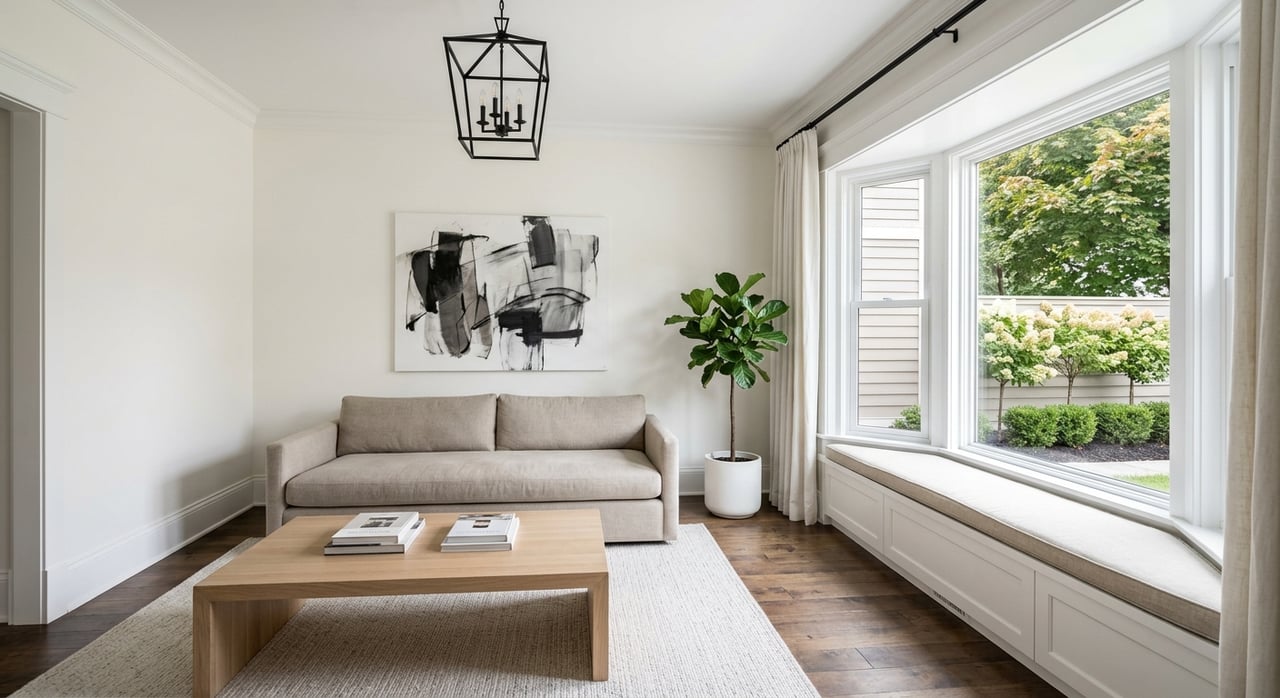
In Cambridge townhomes, staging works best when it highlights how the home lives. Buyers are often deciding quickly whether rooms feel bright, practical, and easy to use. That is why restrained, functional staging tends to work better than overly personalized or heavy design choices.
National staging data supports that approach. In a 2025 staging report, buyers’ agents said staging made it easier for buyers to visualize a property as a future home 83% of the time. The same report found that 49% of sellers’ agents said staging reduced time on market, and 29% said it increased the dollar value offered by 1% to 10%.
For sellers, that makes staging less of a luxury and more of a targeted marketing decision.
Focus on the rooms that matter most
Not every room needs the same level of attention. The same 2025 report found that the most important rooms to stage were:
- Living room
- Primary bedroom
- Kitchen
It also found that the living room was the most commonly staged space, followed by the primary bedroom, dining room, and kitchen.
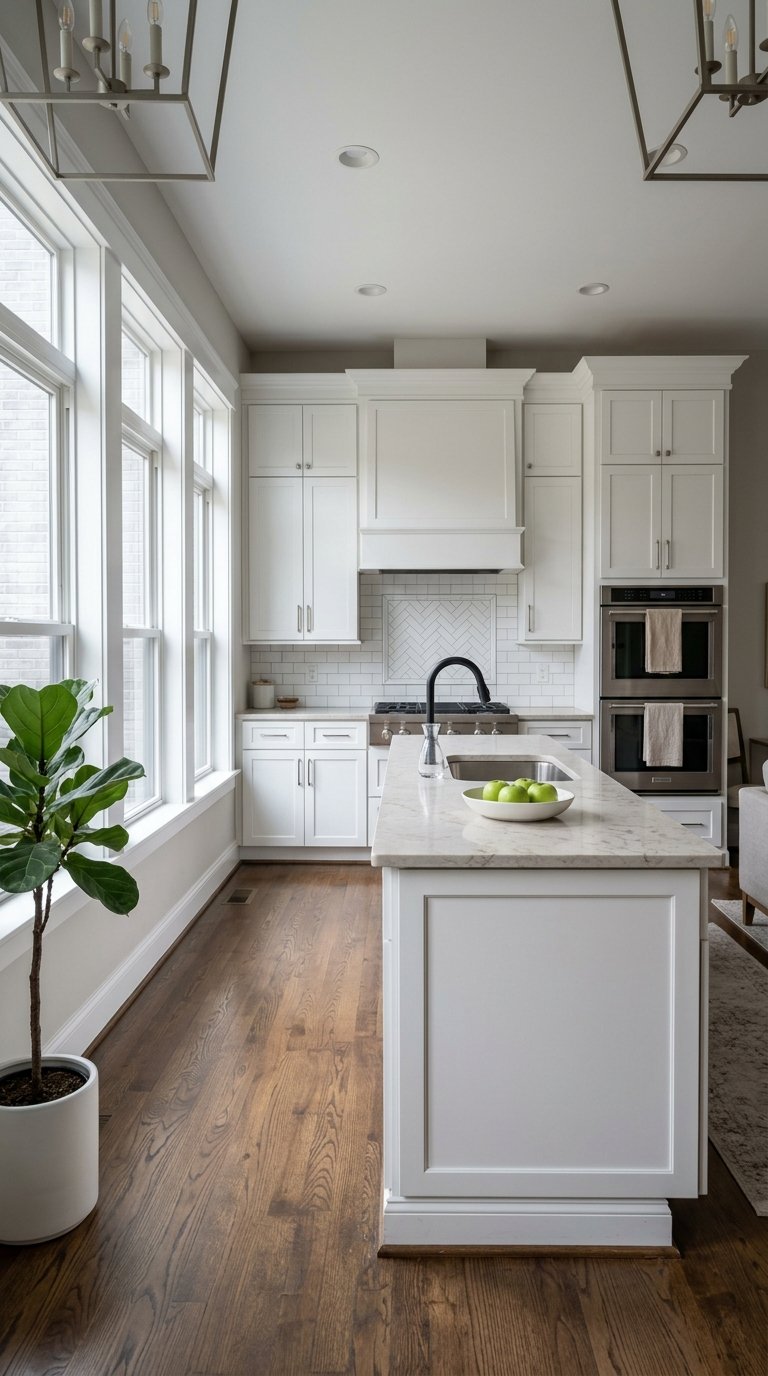
If you are deciding where to invest time and budget, start there. In many Cambridge townhomes, the living room sets the tone, the primary bedroom signals comfort, and the kitchen helps buyers judge everyday livability.
Keep staging simple and intentional
The median spend on staging services was reported at $1,500. That is a useful reminder that staging does not need to mean furnishing every inch of the home.
Instead, think in terms of editing and clarity:
- Remove extra furniture that makes rooms feel tight
- Use neutral, scaled pieces that define the function of each room
- Clear surfaces so kitchens and baths feel clean and open
- Add light, texture, and a few simple accents without clutter
- Make sure walkways and sightlines feel easy and natural
In a compact or vertically arranged townhome, buyers respond well when each level feels purposeful and easy to understand.
Treat photography as part of preparation
Your online debut matters. Buyers often decide which homes to visit based on what they see in the listing, and photos are one of the biggest drivers of that decision.
According to NAR, 81% of buyers rated listing photos as the most useful feature during their online home search. NAR also found that 31% of buyers’ agents said staging made buyers more willing to walk through a home they saw online.
That is why photography should not be an afterthought. It should be planned alongside repairs, cleaning, and staging.
What strong listing photos should accomplish
For a Cambridge townhome, listing photos should help buyers answer a few key questions right away:
- Does the home feel bright?
- Do the rooms look proportional?
- Is the layout easy to understand?
- Does the home appear well cared for?
- Can I imagine living here?
NAR also found that buyers’ agents viewed photos, physical staging, videos, and virtual tours as important listing tools. For sellers, that means premium visual marketing can widen interest and improve the quality of early showings.
Plan a clean launch timeline
A standout sale usually comes from good sequencing, not just good taste. When preparation steps happen in the right order, your listing can hit the market without avoidable stress.
A practical timeline often looks like this:
1. Evaluate condition and priorities
Walk through the home with a critical eye. Identify safety issues, visible wear, and any items that could raise questions in photos or in-person tours.
2. Confirm permits and compliance
Before work begins, check whether any planned repairs or improvements need Cambridge permits. If the home may involve pre-1978 lead paint issues, build that into the timeline as well.
3. Request condo information
If the townhome is a condominium, contact the association early for documents, statements, and any needed information about fees or approvals.
4. Complete repairs and cosmetic updates
Handle the highest-impact work first. Focus on fixes that improve safety, visible condition, and overall presentation.
5. Stage key rooms
Prioritize the living room, primary bedroom, and kitchen. Keep the look bright, simple, and functional.
6. Schedule photography and marketing
Once the home is fully ready, capture it professionally. This is the moment when the preparation work starts paying off.
7. Go live with confidence
A clean launch helps your listing make a strong first impression. In a market where buyers compare homes quickly, that early momentum matters.
Know today’s inspection rules
Massachusetts now gives buyers stronger protection around the home inspection process. Before or at the first purchase contract, the seller or agent must provide a separate written disclosure affirming the buyer’s right to a home inspection.
Sellers also may not condition acceptance of an offer on the buyer agreeing to waive that inspection. This rule applies to condo units in buildings of any size, so it is directly relevant to many Cambridge townhome sales.
For you as a seller, the takeaway is simple: preparation and disclosure timing matter. A well-organized listing process helps reduce friction later.
Why thoughtful prep beats over-renovating
In Cambridge, buyers are often weighing condition, layout, price, and presentation all at once. They are not always looking for the most heavily upgraded property. Often, they are looking for the home that feels the most polished, functional, and easy to say yes to.
That is why the best pre-sale strategy for a townhome is usually selective, not excessive. Fix what is visible, stage what matters, photograph the home well, and make sure the paperwork is ready.
When those pieces come together, your home has a better chance of standing out for the right reasons.
If you are thinking about selling a Cambridge townhome, working with a team that understands local preparation, presentation, and timing can make the process much smoother. To plan your next steps, connect with Lauren Holleran.
FAQs
What repairs should you make before selling a Cambridge townhome?
- Start with safety issues, then fix visible cosmetic problems, then address items that improve how the home shows in photos and in person.
Do Cambridge townhome sellers need permits for pre-listing work?
- In Cambridge, permits are required before certain construction, alteration, or demolition work starts, with separate processes for building, electrical, and plumbing or gas permits.
What lead paint rules apply to older Cambridge townhomes?
- If the home was built before 1978, sellers and agents must follow Massachusetts and federal lead-notification rules before the purchase contract is signed, and lead-safe work rules may apply if repairs disturb lead-based paint.
Which rooms matter most when staging a Cambridge townhouse-condo?
- Staging should focus first on the living room, primary bedroom, and kitchen, since those rooms have the biggest impact on buyer perception.
When should you request condo documents for a Cambridge townhouse-condo sale?
- Request condo documents as early as possible so association statements, records, and related information do not delay your listing or closing.
How important are listing photos for a Cambridge townhome sale?
- Listing photos are extremely important because buyers rely heavily on them during online searches, and strong photos can increase the chance that buyers choose to visit the home in person.